A story about a magical project at the culmination of years of progress and how giving it everything I had wasn’t enough.
Greetings! My name’s Rad (for this story) and I’ve had the weight of an unfortunate work experience on my chest for a few years. Instead of letting it go like I should have, I wrote the following story in the hopes that it can lend something to those in similar situations and potentially be useful to those still stuck with its consequences.
This story is about me finding my passion, demonstrating a commitment to applying it to real, solvable problems, and trying really, really hard to take advantage of a perfect opportunity. This story is also about watching everything be swallowed by the weight and inertia of bad actors and internal politics, seeing how long those consequences linger, and trying to take something positive away from it all.
If you devote any time to reading this, I’ll be a little less lonely and a little more understood. Thank you.
This story is dedicated to Omar, who never missed an opportunity to lift me up and remind me how capable I was.
Cast of Characters
(Don’t worry, they’re introduced as we go.)
- Me, Rad, the web developer
- My boss, Tifa, the web lead
- Her boss, Jessie, the IT services lead
- And his boss, Wedge, the new IT director
- …and his boss, Reeve, the division VP
- The new lead web designer (and my peer), Cid
- The steadfast developer, Vincent
- The new project manager, Reno
- The Marketing PM, Rufus
- And the star communications guru, Barret
I started at UCF as an hourly web designer for its Student Affairs division. It was the bottom of the market in 2008 and I was grateful to have any work at all. Within weeks I saw what I was up against: 100 websites by 50 offices, each with their own opinions about design. My calling was clear: get everyone on a standard (any standard really) and iterate from there. I created a template derivative of UCF’s main website and started proactively reaching out to each webmaster, explaining the benefits of a shared approach and working hand-in-hand to migrate their sites one at a time.
It was tough to find willing participants but I kept at it. I wasn’t just creating consistency—I was learning our entire division, one group at a time. I made deliberate and earnest attempts to listen and understand the business. The work slowly became more “content strategy” than technical; I was leveraging the “information” part of IT the best I could.
In 2010, I successfully pitched a redesign of our division’s site that subsequently became the new template. The increased visibility brought in more commitments with the watershed moment coming after my grueling 12-hours-days-for-all-of-December UCF Gym website conversion in 2011. Seeing the beast tackled, everyone wanted in. And I loved every new site like it was my own, carefully considering each page and every line of markup. I took a lot of pride in making sure these volunteers lost nothing by agreeing to be conformed. The results spoke for themselves.
In 2013 we reorganized into one large IT group for the whole division, incorporating the larger holdouts like Housing and Health Services. The opportunities were daunting but thrilling, and I took advantage of every one. The conversion work for these important departments was more of a controlled burn than a fresh coat of paint, the cleanse ripping through a decade of cruft. I was a machine.
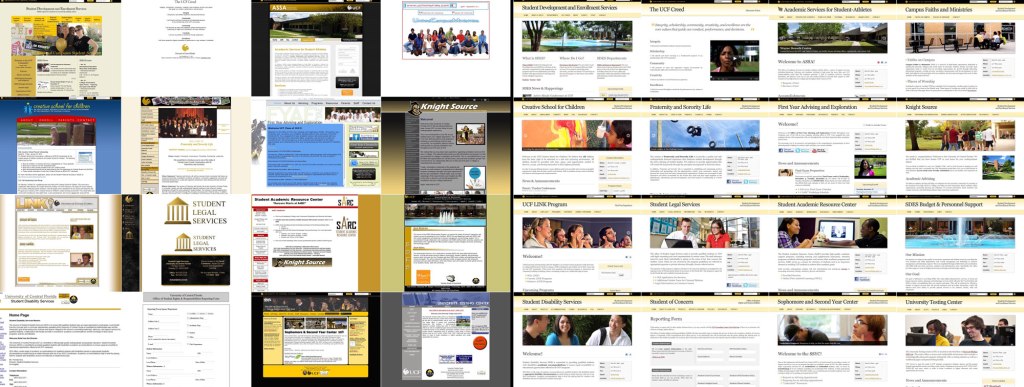
I was promoted to a development lead as part of the upsizing. But the reorganization had also cleanly separated web design from development, and eventually my new role eclipsed my former designer duties. It was tough—I’d built a beautiful thing and giving it up wasn’t easy, especially when it was clear the new folks didn’t share my passion. While we successfully marched toward a unified brand, it was clear the organization’s appetite for an artisanal web strategy was waning.
We absorbed another couple departments (Admissions and Financial Aid) in late 2014 and this time it brought a significant change: a new IT lead, Wedge. And he wanted WordPress. “IT should not be in the content business.” Which like, I get it. It’s a valid strategy. But we’d already seen what the division did with control of publishing content. Did we really want to go back to that?
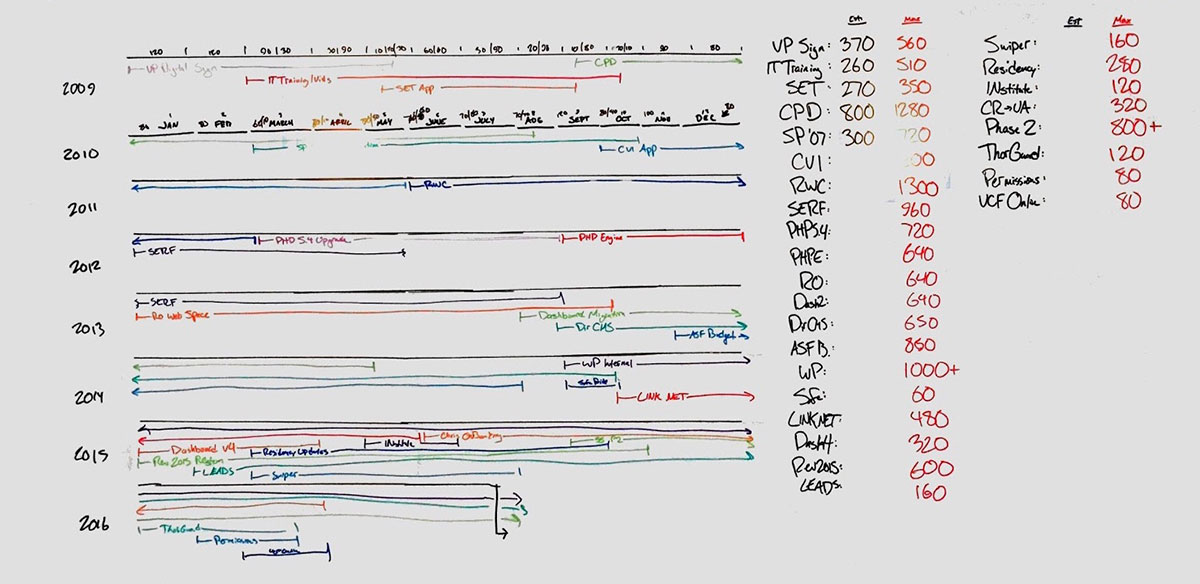
Cid (our new design lead) and I worked out an ask: if we were going to transition to WordPress, could we at least guarantee that someone would be responsible for content quality? We put a short term game plan together for 2015: convert our template to Bootstrap, upgrade the sites in-place, build a WordPress theme to match, and transition the sites over one at a time with minimal visible changes. We split the work up between all team members to encourage cross-training, even trying to account for the size and complexity of each site to make it more equitable across the team.
Marketing Leads
We got our wish: as of mid 2015, our division had hired a marketing lead: Barret. He was interested in using the WordPress transition as an opportunity to focus on the services provided by our division, not the organization structure. Music to my ears. And Cid’s too. He’d been working on lots of stuff for WordPress: mock-up designs, customer survey data and slick presentations. He was ready to wow and show his stuff, stuff that was an evolution of the progress I’d made the previous six years.
In September 2015, a meeting was arranged to discuss our WordPress pre-production progress with Barret. We were excited and confident. We had a direction, mockups, years of experience, and focus. But the minute Barret opened his mouth we knew we’d messed up. He started throwing words around like “slick” and “sexy” to describe “what students want” out of a website. Content was an afterthought; instead, his focus was on flashy examples from our university and beyond. We left the meeting defeated, knowing we were in some way responsible for whatever came next.
Despite the depressing meeting, rumblings about the services approach continued. We figured we’d better get ahead of it. Cid went to work on new mock-ups that took cues from Barret’s examples and I started compiling a comprehensive list of services our division offered. I also outlined my basic thinking about how a service-oriented approach could even work: definitions, strategy, exclusions, governance, that sort of thing. We were given the opportunity to present this work to Wedge in November and it impressed, even beyond our IT department.
Not long after (December), we were informed that our team, rather than continue any of the work we’d started, would instead be collaborating with UCF Marketing on a phased approach to WordPress. Marketing had seen an opportunity to contribute and firmly took the lead.
I tried to leave after the 2013 reorganization due to how badly it had been handled. I interviewed with Marketing for a developer position, was passed over, then invited to lunch and told to apply for their next position. I did, was interviewed again, and was passed over again.
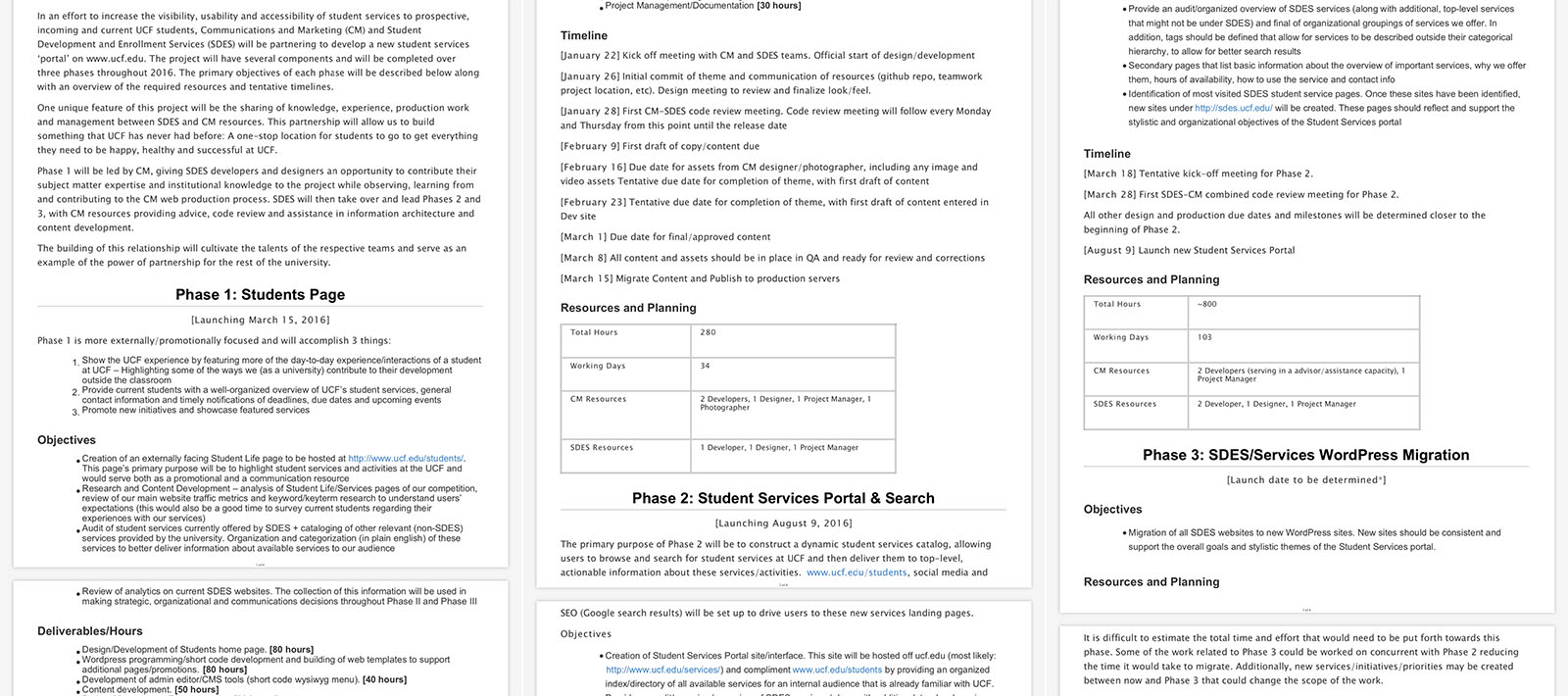
We were ushered into an impromptu meeting to discuss the initiative. The three phases of the program were outlined in fresh ink:
- Phase 1: a simple, single-page WordPress site, promoted on UCF’s main navigation, would serve as an introduction to services for an audience of prospective students. Marketing would lead this phase and we would observe, learning their approach to WordPress development. Start in January 2016, launch in March.
- Phase 2 was a magnitude larger: a catalog of student services, indexed and searchable, that directed an audience of current UCF students to a specific action to best take advantage of the service. This project would be in turn lead by IT while Marketing observed and assisted as needed. Start in March 2016, launch by the start of fall semester (August).
- Phase 3 was the title given to converting all (130+) of the divisional sites to WordPress. It would be intended to build on the success but could also run parallel to the other phases.
I’d never seen such activity swirling around these websites that no one had cared about before I’d taken personal interest. It was exciting! Scary, for all that could go wrong, but flattering, an acknowledgement that my unified approach was now just a given.
Just before this phased approach was pitched, both of our project managers left (one retired and one took a position with central IT). Seeing a way out of this potential dead end, I applied.
Ultimately I chose to see these new projects as an exciting adventure and the best chance I had to pass on the success I’d attained. We broke for the holidays, ready to come back with a focus on the enormous undertaking WordPress would be.
Phase 1: Student Life
January 2016. We had just moved to a new office and had plenty of unpacking and internal work to keep us busy for a few weeks.
I got a call back about the PM position, did a phone and in-person interview, but was passed over for an external hire who already had certifications for Project Management Professional (PMP) and Certified Scrum Master (CSM). I was disappointed but proud of my effort. Jessie, our Services lead, complimented my performance and encouraged me to pursue the PMP certification.
Phase 1 officially kicked off on January 25th with an all-hands-style sit-down where we reviewed a project charter.
The project played out about as advertised. We attended a production meeting twice a week, observed, and took notes. We didn’t really have an opportunity to contribute in any meaningful way, but that was the plan, so we stuck with it.
While Phase 1 was chugging along, I had one of my intrepid developers, Vincent, plugging away at the basic WordPress theme we’d started over a year ago (that looked identical to our current template), both to continue the methodical migration and to get some experience under his belt before he was asked to tackle the Phase 2 project.
As of writing this story (May 2019), the WordPress migration for existing sites has not been completed.
By mid February, we were getting concerned about the lack of discussion or planning for Phase 2. Seeing this twice-weekly effort build toward a single-page site, it felt like a similar effort for a much larger site would not fit into the timeline we’d been given. We tried to get the ball rolling with questions on hosting and site nesting but were quickly told to “wait until the Phase 2 kickoff” and not to muddy the waters in the interim. Why, having put so much effort into pre-planning in 2015, were we just sitting on our hands waiting?
I got answers on March 3rd—though not the answers I wanted. At a typical production meeting, Rufus (the project manager for Marketing) proclaimed that we were forming two working groups for Phase 2. My boss and Rufus would work with Reno (the newly-hired PM) on a “planning” team, and the “production” team would be comprised of two designers and one developer. Wait…where did that leave me, the person that had spearheaded the research and strategy proactively six months prior and had spent literally his entire career ramping up to this epic project? Nowhere.
I felt upset and blindsided. Vincent even noticed and asked if everything was okay. The organization had once again defaulted to rank rather than capability or enthusiasm. I paced up and down the sidewalk alone, unsure of a lot of things. I called my boss and asked her what the deal was and why I wasn’t involved, and: yes of course she wanted me to stay involved, but no not in any official capacity. I don’t know what I expected but it didn’t help.
I need to remember this moment, I thought to myself as I started the voice recorder app on my phone, like I knew it would all be worth remembering. I sulked back to the office and tried to find fulfillment in whatever else I was working on at the time.
Phase 1 was finally production-ready in late March but couldn’t launch because the content (Barret’s responsibility) wasn’t ready. Phase 2 planning sputtered along, our eyes rolling at each new development. My team kept busy in the shadow of the projects with really no idea what was expected of us (or when). Every bone in my body wanted to leap out, grab the reins and whip this project into shape, but I’d already been slapped down. I concentrated on other projects.
Phase 2: Wherefore Art Thou
Phase 1 launched around the middle of April, having finally gotten final content and sign-off. None of us had any idea what was going on with Phase 2, now a month behind the original kick-off date.
Ignoring it the best I could, I followed up on Jessie’s suggestion to study project management. I assumed Reno could use some help (and I wanted some practical experience) so I asked Wedge if I could spend time assisting the PM, taking on smaller projects he couldn’t get to and/or shadowing his work. The PMP certification started to sound like an exit plan too, so I had started gathering data to apply for that.
Some things are meant to be: within a single email thread, Wedge agreed to my request and offered, unprompted, to get me involved in Phase 2. I objected initially, explaining that’d I’d already been explicitly excluded, but he pushed back, thinking I would be a good asset to the project. Imagine that!
I floated the idea to Reno and he admitted that he wasn’t really comfortable managing Phase 2. He said it was “intimidating and unorganized” because no one had a vested interest in leading or championing it. And his plate was filling up too: in anticipation of the “UCF IT” project (a consolidation of IT groups on campus) we were migrating to a new service desk software by the end of the year. Not two months into his job and he’d been tapped to head both projects. He admitted to me he had no idea how it was going to work out. That made two of us!
Phase 2 officially kicked off on April 25th with Reno as the Project Manager. The whole team met at Marketing’s digs to go over the project charter. Nothing surprising: dedicated resources (from our division only) for design and development. The deadline for initial launch was still the start of the fall semester (late August) despite the kickoff being delayed a month. The site would be focused on search and would only feature a single, primary workflow: search, to results, to a service page, to an external link. Action items from the meeting: design compositions for home and services pages and a schema for services data. Break!
Two truths: the “planning team” had not altered the outlook of the project in any way—it was still entirely based on our preliminary ideas from last November—and I still had no official role on the project.
The Marketing-scheduled design meetings kicked off three days later (April 28th). By the end of this meeting we learned some interesting details:
- Rufus (Marketing) was the “Product Owner” and to go to him with “all questions.”
- Rufus would be keeping “all leadership” informed
Translation: Marketing was still in the driver’s seat. I didn’t attend any subsequent design meetings.
With the exception of some informal brainstorming internally, no development or content meetings occurred. I kept an eye on the project but was lucky to be informed at all. I met with Reno a couple times to discuss project management and Agile; despite the offer of relieving him of Phase 2, it didn’t seem like it was going to take shape.
On May 5th, my boss gathered us for an impromptu Phase 2 update meeting. We heard updates on the progress of the design meetings, but it was clear even those involved were confused about where the project was going and how it was going to get there. We broke with not much more than a pep talk, and still no development meetings had been scheduled.
A New Navigator
One random day the following week, out of the blue, I was told I was indeed taking over as Project Manager on Phase 2, a project nearly two months behind schedule and off to a confusing start. Thanks?
Despite the frustration I found a well of confidence and excitement to drive the project. I had a great core knowledge about the content; I understood the design and development tasks needed; I knew many of the campus’ stakeholders; and I was tenacious enough to make it all happen. Let’s do this.
Before my role had even been officially announced, I went after preparation like a hungry bear. I mapped out all of the deliverables I could foresee, drafted realistic milestones from start to finish (with dates attached), and wove those together in a schedule that showed how it was all possible. I was ready to impress and instill confidence.
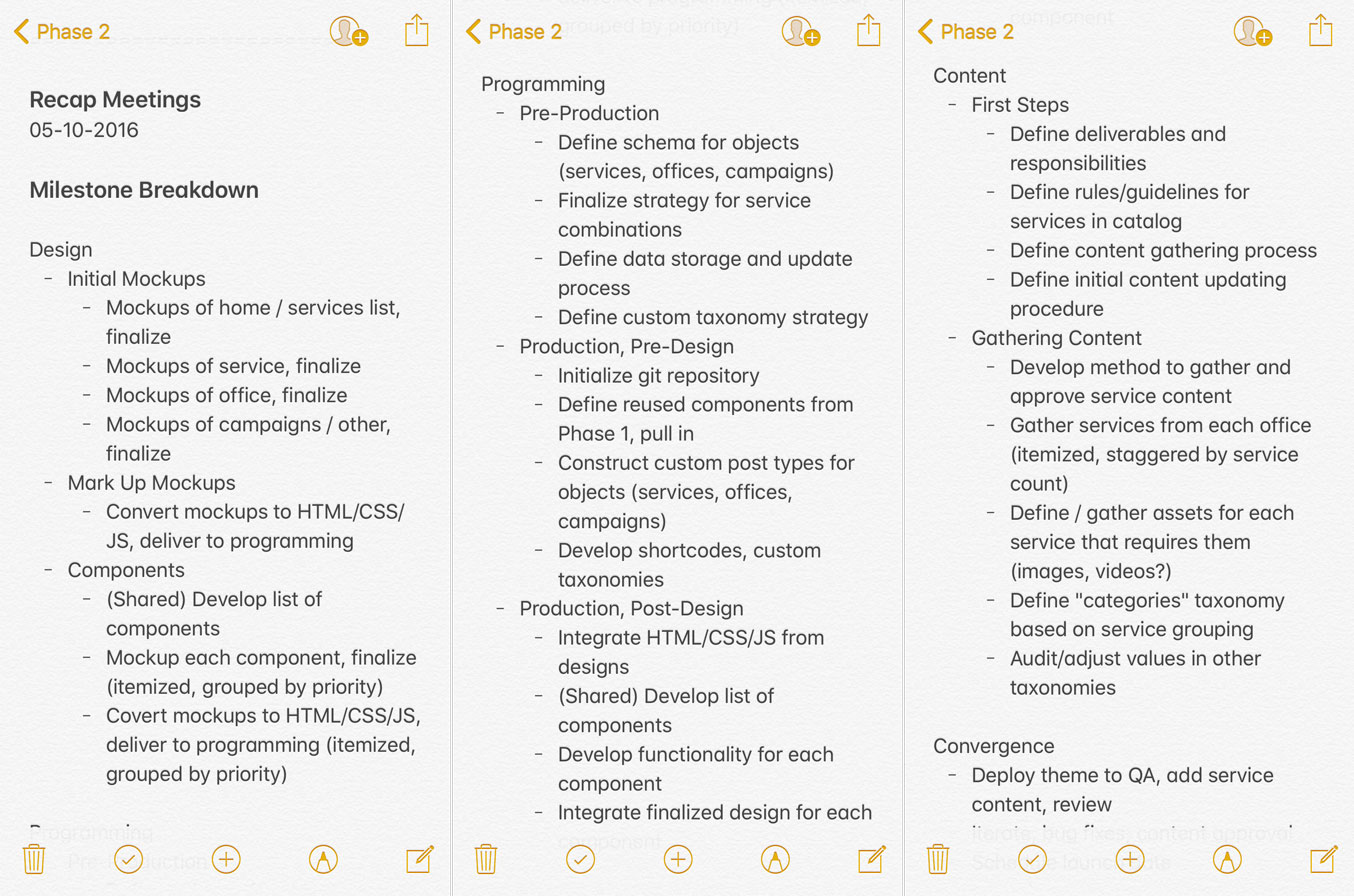
I was announced as the new PM to the internal teams on May 9th. A meeting was scheduled for May 10th with major stakeholders (Wedge, Barret, Rufus, my boss Tifa, and her boss Jessie) for an official hand-off. I showed up dressed and prepared, with notes printed and ready to distribute. I could barely contain my excitement by this point. I was ready.
The conference room was a modern conversion of our old office space I’d sat in when I started in 2008. I looked around the small space and its red-brick walls, feeling the energy of the moment and thinking about how much work had been put in over the years to get to this point. I couldn’t help but smile.
Wedge kicked off the meeting and introduced me as the new PM. Before I could even get in a word, Rufus and Barret objected to Reno being taken off the project. “It’s not appropriate.” “He can’t be successful here.” “We need a seasoned and knowledgeable PM, not Rad.” I just sat there, smiling and ready to present, my heart slowly leaking out of my shoes. Not Rad. Things got so heated at one point that Wedge and Barret left the room to escalate the change to Reeve (our VP). Dumbfounded, I eventually was given the opportunity to fumble through my plan, trying to defend my abilities. Not two sentences into my milestones and Rufus interrupted, complaining I was “trying to use waterfall and not Agile” and that was proof enough that I wasn’t qualified.
The meeting was a disaster. I left with nothing but self-doubt and confusion. Nevertheless, a short IM later that day confirmed I was still the new PM and that Barret was once again the project’s sponsor. Good luck!
Turning the Ship Around
I’m not sure they could have done anything more powerful to motivate me to take charge and make things happen. I jumped into TeamWork (Marketing’s PM software of choice) and implemented timelines, milestones, and task lists as fast as I could. I met with the designers and listened to their concerns to get a sense of how I could support them. I immediately scheduled our first development meeting the next day to discuss services data schema with Rufus and Vincent. I downloaded videos on Agile and Scrum for good measure. I’m sure most of the team was reeling from the project’s changes, but I had faith and that’s all I needed.
After my first full week as PM, both design and development “tracks” were off to the races. Mockups were looking great, the services schema was solid, and we had selected a handful of services for our “vertical slice” mockups, due by the end of the month. I met with Barret multiple times, both in his capacity as the project’s sponsor and his role as content provider, and got his buy-in on content deliverables, project scope, milestones for design, development and content, and even the nuanced risk of him being both the owner and content provider. I also started issuing weekly status reports, surfacing accomplishments, next week’s deliverables, and risks/assumptions. By May 20th, we left a design meeting with nearly-finished front page and services comps, selected demo services, and plenty of direct feedback on both. Wedge and Jessie shot me compliments on my weekly report and the handling of the project, knowing exactly when to bolster my confidence. “Charge on!” Jessie said.
To apply to sit for the PMP exam, you are required to attend a week of formal training. Before being moved into the PM role, Jessie had helped me fund and schedule this training for the week of May 22nd. It’s almost like the organization was trying to throw everything it could at me. I took this conflict in stride, ready for the challenge.
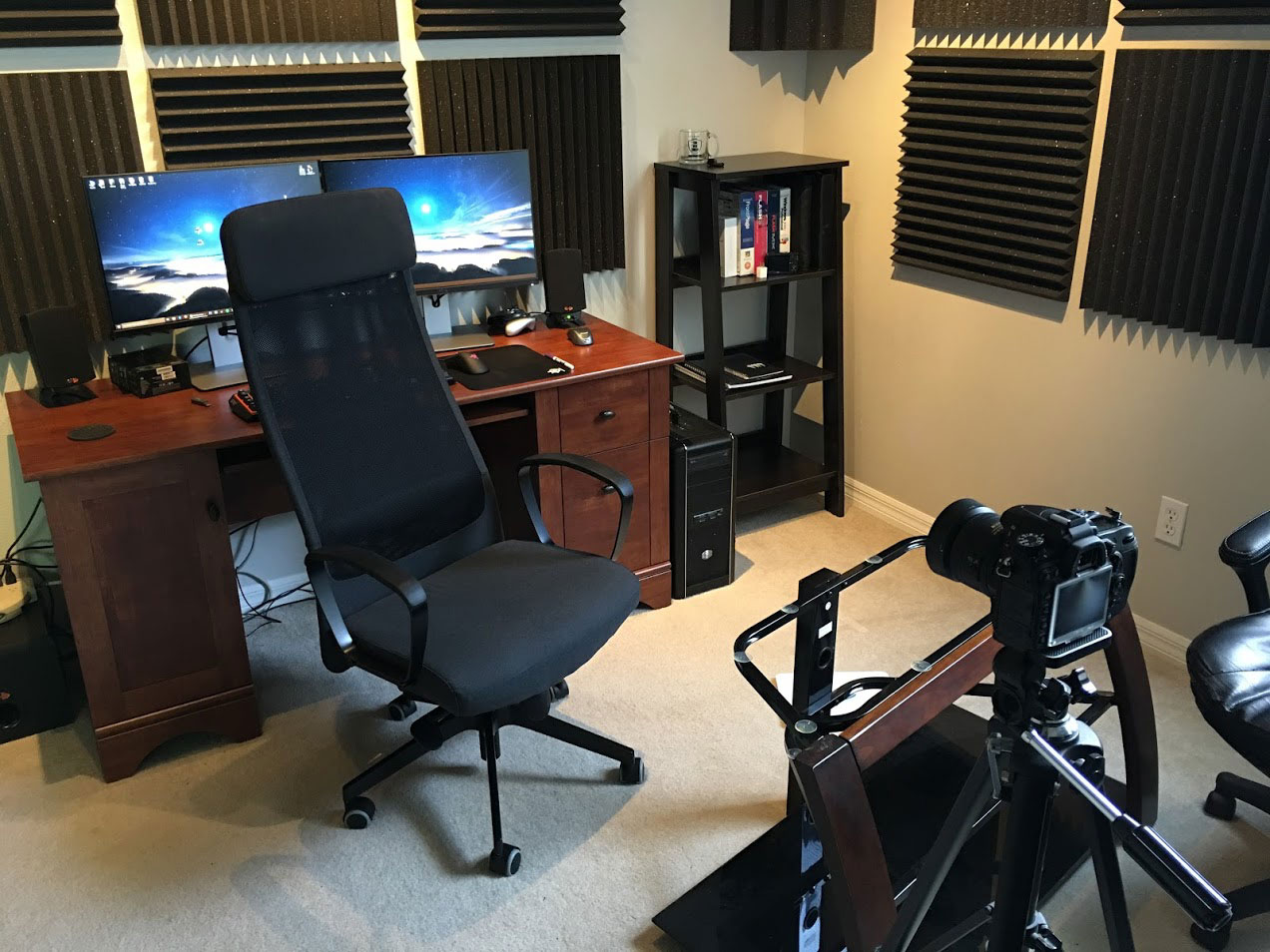
How was I going to keep the ball rolling without being in the office for a full week? Crucially, how was I going to have detailed conversations with Barret about the content strategy specifics I’d come up with the prior year? Sunday afternoon (5/22), I set up my Nikon DSLR in my home office, wrote an outline of topics, and recorded, edited and privately posted a 22-minute video going over my notes, strategy and ideas. It was a lot to ask of Barret, but it was the only way I could show I was in it to win it. I emailed him the video and a short explanation and asked him to schedule a call with me to go over next steps any day after 5pm.
Training got off to a good start Monday. When I was able to finish individual exercises early, I used the training room’s PCs to remote in and nudge the train along, answering questions and submitting tickets (like for WordPress hosting setup).
I got on Barret’s schedule on Tuesday—a little early in the week but plenty of time for him to watch a half-hour video and take some notes for discussion. That afternoon I phoned him from the training center’s decaying, empty back parking lot, pacing under the shade of some ancient oaks, ready to discuss my ideas.
He absolutely did not watch the video. Or if he had, he didn’t comprehend any of it. The next hour consisted of Barret asking why we needed any content strategy at all (“Why we couldn’t just use our organization chart as the services?”) and of me answering and re-explaining essentially everything in my video twice. It was a supreme letdown, a vindication of those who thought I was wasting my weekend, and my first real sense that, you know, maybe this project wasn’t going to succeed and maybe I wasn’t good enough. But I could fix this—I just needed more face-to-face time. I scheduled a follow-up meeting and told him we’d have some early mockups to look at.
Looking back now, I wonder if that tenacity spurred by our initial meeting was what kept me going at it for far too long.
I got no response from Barret through the rest of the week regarding content, an essential piece of a true vertical slice (and the piece that was a month delayed on the last project), but I knew it was short notice and had confidence in my writing skills. I volunteered to draft the mockup copy and wrote most of it from the training room, imitating the style and register of Phase 1.
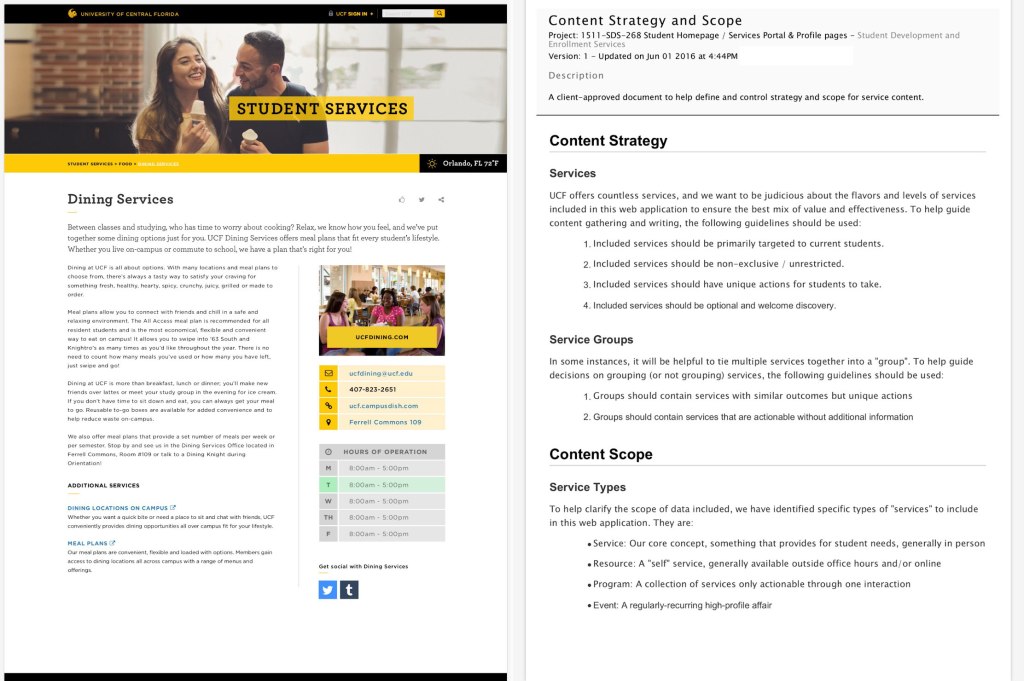
By the end of the week the design team had completed mockups with good content, real photos and accurate data. I had also drafted my content strategy and guidelines into a formal document, received Barret’s written approval, and posted it to TeamWork.
It was all coming together really, really nicely. I was excited to get back to work.
Back at It with Barret
The project landscape looked fresh and full of possibility, capped by our all-important mockups demo at the end of the week. I reconnected with the team on Monday, shook hands and sent positive emails. Barret’s meeting Tuesday was here before I knew it. My objective for the meeting was to get buy-in to preempt any problems before the demo. Unfortunately, the meeting went so off the rails that I felt compelled to whip out my phone for insurance.
Within seconds of seeing the mockups, Barret stated that this site was intended to replace the division’s VP website “and must say SDES on it somewhere. Why would we build Phase 2 if it wasn’t an SDES site?” After carefully explaining that this wasn’t the goal of Phase 2 and that the VP website would be addressed in Phase 3, he countered, “We’re devoting a lot of resources…SDES had better get something out of it.” He went on, “The VP site needs to go away in Phase 2, not 3 or 6 or whatever. I need it to say SDES, no matter what. […] Phase 2 had better be the new SDES homepage. […] [Non-division services] don’t have to be included if they don’t like the idea.”
“What’s the difference between a service and a department anyways?” he asked, echoing our call from the week prior. He turned to me and stared into my eyes for a second. “You can figure out how to get me what I want,” he finished.
I cautioned that Marketing wouldn’t be happy about this change and he admitted that there’d be strong pushback “if they found out.” He encouraged me to “not share my notes” and not to “tell Rufus” about this directive. When I explained that we were hosting through Marketing, he asked me to produce an SLA that protected our ability to use the hosting without their approval on content and design. Fun!
I asked if he’d given any thought to a content maintenance strategy—after launch, countless departments would certainly submit their programs and services for inclusion, and we’d have to have a plan to evaluate if they fit the strategy. I had recommended accepting these requests through an online form and reviewing the submissions at the monthly Communicators meeting but he was having none of that. “Why can’t the requests come in to you, instead of waiting for the committee?” were words he actually said to me.
Before I could wrap the meeting, he returned to the Phase 2 / VP site argument. He wanted all content on the VP site merged with Phase 2. I asked about the sites currently hosted as subdirectories to the VP site, including a site for a Staff Union, the division’s annual on-site conference, and the division’s diversity initiative. He was incredulous that these sites existed at all. “Why did you allow these to be built?” he asked me. “I don’t know why you can’t deny stupid websites. We should stop letting people get what they want all the time.”
He ended the meeting with one final directive: “Don’t bring any of this up in the demo meeting or include any of this in your notes.” I nodded in compliance, stifling a laugh. Kill me.
The next evening, Barret sent an email to Wedge and Rufus praising me as the Project Manager and my skills.
Sent: Wednesday, June 1, 2016 7:09 PM
To: Wedge, Rufus
Subject: Rad is awesome
Rad is doing a wonderful job keeping us on task with phase II. He’s a terrific project manager. Just thought I’d share. 🙂
Best, Barret
The rest of the week was demo prep. I met with Rufus and got a really useful piece of advice for presentations: don’t end with questions. Instead, have a Q&A session and then end the presentation with next steps to control the end of the meeting.
Rufus (and my own anxiety) had convinced me this demo was a kill point, a pass or fail. A Marketing VP showed up on time and small-talked as we waited for Barret for what felt like an eternity. Half an hour later I started the presentation anyway. My preparation and enthusiasm carried me through successfully with good feedback on the mockups and content-gathering approach. Barret eventually showed up 45 minutes late but didn’t throw any major wrenches into things. We received acceptance from the whole gamut of major stakeholders in some capacity.
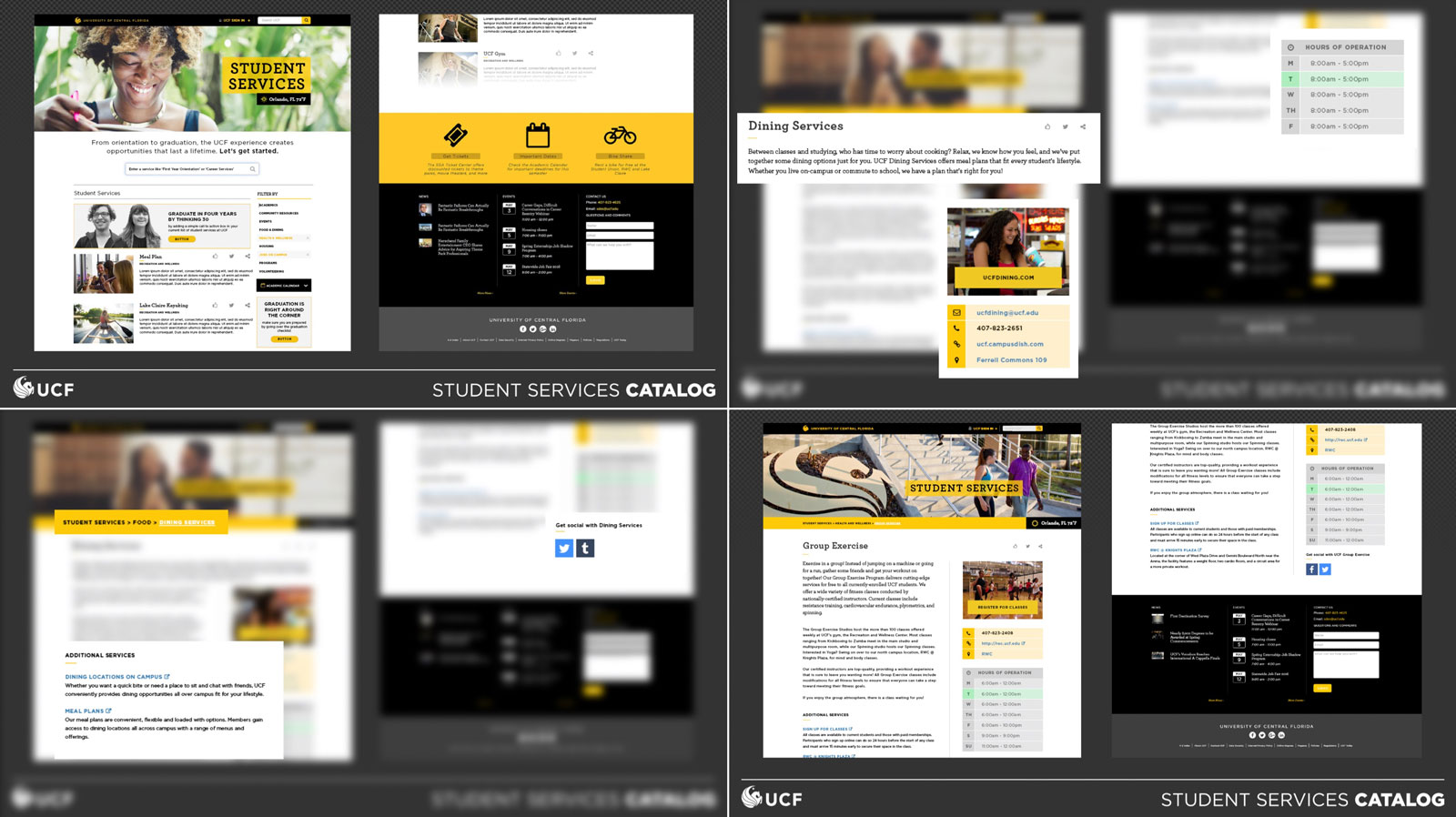
Despite the road bumps and risks in the back of my head, I was over the moon. I’d done it. We were ready to kill it. I immediately grouped the rest of the project team to deliver the good news and congratulate them on their efforts. The next day, I gave the same presentation to the Communicators group to a similar reaction. I ensured them they’d be integral in collecting and maintaining the data for this site and would be the backbone for one of the better ideas I’d ever seen at UCF. Now we could move forward with production of the theme.
I closed the week out with an email to Barret summing my excitement. I pitched that those in attendance at the Communicators meeting should be my core team to select services and collect content, both because of their enthusiasm and to speed up delivery of this list to our copywriter to write content for each. He responded “Works for me.” Nice.
June 3rd, 2016. This was the pinnacle of the project’s success.
Content Content Content
We got a follow-up email from Barret the following Monday (to the Communicators) that included this language:
“I’m sure you share my excitement about the redesign of the division website. As one student pointed out during our recent focus group: students want a better web experience. I am confident that our improved website will address this concern.”
Groan.
Despite the success we were having on the technical side of the project (theme development was underway and HTML cuts were in progress), I was a little concerned about content. Most of it was metadata (i.e., things I could easily make up for if it wasn’t collected properly) but there was a big outstanding ask: the copy writing (something I’d love to make up for but really couldn’t). Although I was promised a copywriter on the project from the start, all requests for information about this person disappeared into the ether.
Riding our success, I reached out to Wedge and asked him to work Reeve on the copywriter hiring. After a series of emails up the chain, Barret confirmed that this was still in the works but that “she has a start date of July 1,” information a project manager would love to have.
Next up on the content track: a list of services. I pulled out my old examples and worked with the Communicators to review the list and make changes. Confident we had a good working list, I posted our progress (and an updated project scope statement) and sent the list to Barret for approval before proceeding with validating the data. Rufus approved.
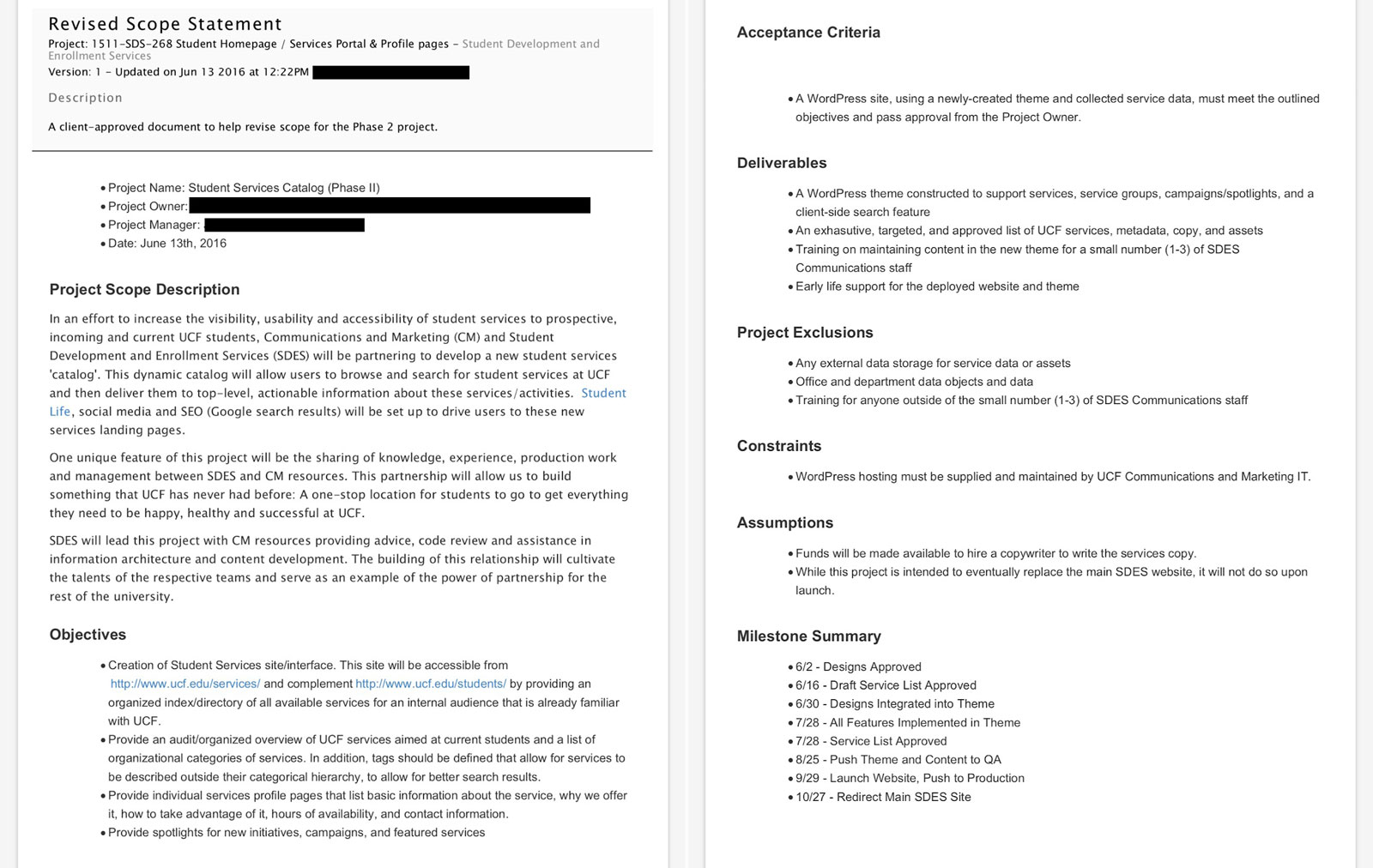
After a week of missed connections (he accepted a meeting, didn’t show, rescheduled, etc.), I got Barret on the phone. I discussed the list and explained that this was a starting point and that I’d be validating the services with each department. He was happy and approved the list, and I posted the list publicly the next day.
On June 19th, I drafted a blast to all content stakeholders alerting them to my services validation plan and to expect direct communication from me soon. I sent it over to Barret, he approved, and out it went. Over the next couple of weeks, I made personal calls to each department of about 30 minutes each, explaining the project, our strategy, the selections we’d identified for their department/office, and asked for feedback. The purpose was both to validate and trim the list and to get their buy-in to lessen the push back and changes at or near launch.
I realize how crazy that sounds, and I realize it’s work a PM probably shouldn’t be doing. But from the lens of project success, I was working the angles I could work. The only chance I had at implementing the strategy that Barret clearly only tangentially understood was to get buy-in from literally everyone else. And it was working! Almost everyone I talked to loved the idea, agreed with my selections, and promised to assist in any way they could. It was a lot of phone time but it solidified the data rather quickly.
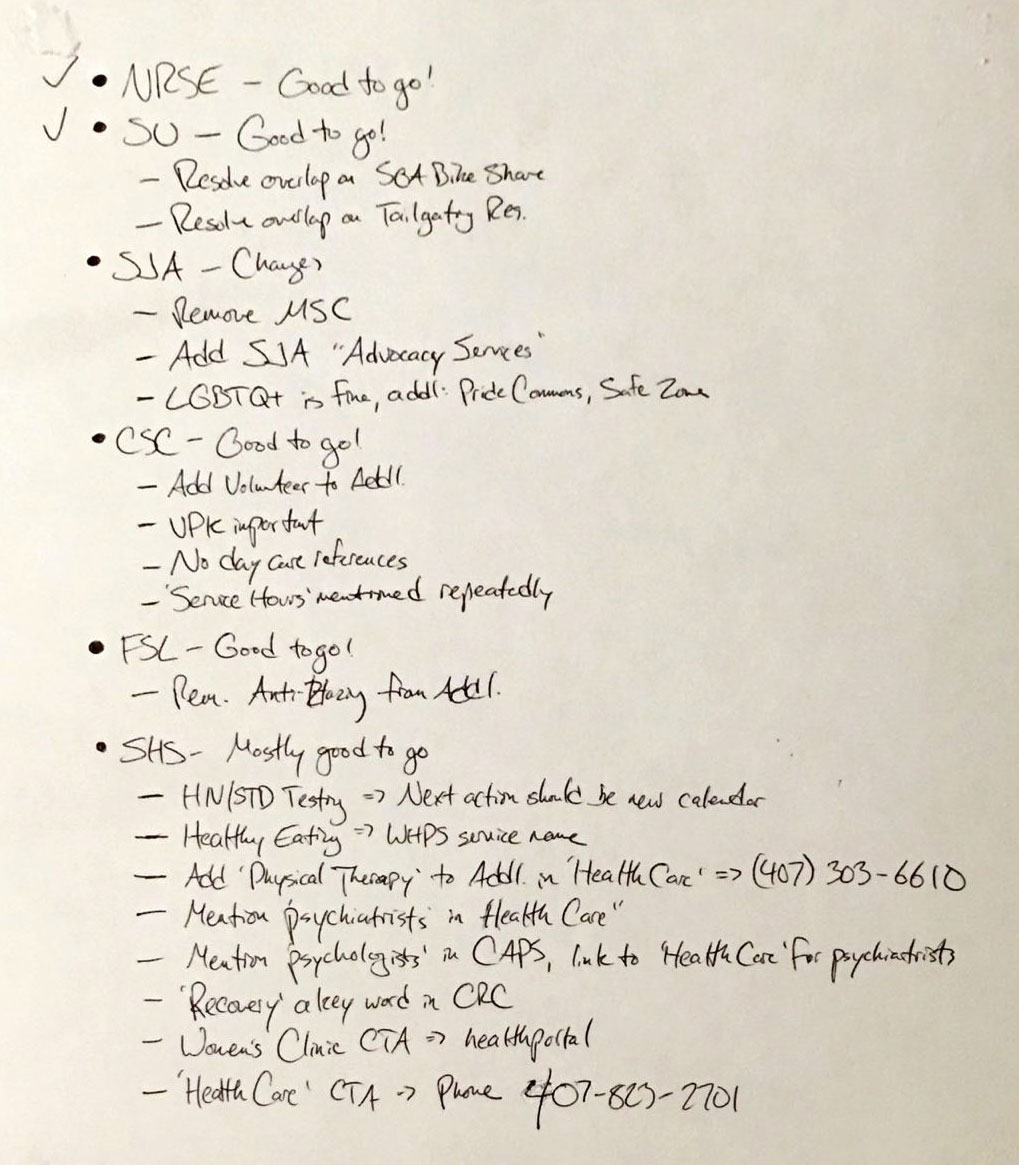
On July 1st (the next Communicators meeting), I showed off an alpha version of the working theme, shared the validated list of services, and discussed remaining content and metadata. I also updated the internal team on the content progress. Everything was coming together and we were all excelling at our roles. One deadline was missed though: July 1st, and no copywriter in sight.
Statement of Work and Final Deliverables
I included a short statement about the MIA copywriter in my weekly report. An email thread quickly bubbled up all the way to Reeve who informed us that MacGuffin, the copywriter from Phase 1, was not actually an employee at the university and would have to be brought on as a contractor (something he wasn’t prepared for). He asked Barret for a “Statement of Work” so he could establish a purchase order. And he sure did share one:
Reeve,
Below is a summary of what I think is the scope of work. MacGuffin worked on phase I of the project and I believe it’s best to utilize her services. However, given that the division website falls within your portfolio, I will defer to you on the best approach for hiring a copywriter.
— Barret
Statement of Work
This Statement of Work (SOW) is by and between the [The Division] and [MacGuffin].
EFFECTIVE DATE: This SOW is effective as of July 8, 2016.
SCOPE OF WORK: To edit the SDES website content as assigned through September 2016. Content shall be provided by the Division.
DELIVERY DATES: You shall complete the Services and/or Work by or in accordance with the delivery schedule below.
DELIVERABLES: Final website content by September 1, 2016, midnight. In Word Format, 2013 or higher acceptable.
UCF will provide the vendor with draft content. The vendor shall edit the content to ensure accuracy in grammar and consistency in tone and appropriate for publication. The vendor will cooperate with client in editing and otherwise reviewing the work prior to publication. Writer will cooperate with client if any complaints should arise regarding the Work.
I couldn’t make sense of this. Who was going to provide draft content? How was MacGuffin going to handle over 100 pages of content as a contractor with a small budget and limited time? I threw together some provocative numbers to spur some action:
Evening all,
Glad to see we’re making some progress on this! I did want to add a few questions / concerns:
— It’s not clear to me how long it’s going to take MacGuffin to perform a unit of work. I would define a unit of work as researching a chosen service, writing copy for the strapline (one phrase), summary (2-3 sentences), and body of the service (2-4 paragraphs), and writing summaries for the (up to 5) additional links. At the time of writing this email, we’ve identified 110 service profiles, and at ~40 business days between now and September, that’s almost 3 units of work a day.
— Following up on that schedule (2-3 services a day), I have no information on MacGuffin’s expected or previous pay rate. If each service took only 2.5 hours to complete, her effective pay rate would be something like $11/hour.
— Finally, I’m unaware of MacGuffin’s weekly availability for this project. The above calculations assume 40 hours a week, or 320 total hours of work. 2.5 hours per profile would be 275 hours, so anything much less than full time would likely put us past September.
— If MacGuffin is willing to work full time @ $10-11/hour, starting Monday , do her own research (based on the data we’ve gathered), and write 110+ profiles in the next 40 business days, I think we’re good to go. Otherwise, we’re going to be short on time, money, or both.
This also doesn’t take into account the time needed for revisions, although I suppose the Communicators group could resolve any feedback. I’m also concerned about how this kind of writing will be persisted post-launch, as new services come in monthly and existing services need to be tweaked, combined, separated, etc.
If any of this needs to be tweaked, I believe the Communicators group could be leveraged to produce outlines of content or draft content (or both), but this doesn’t account for offices without representation on the group or non-SDES offices, and it would add more time to the schedule.
I could clear a lot of this up quickly in a short phone call with MacGuffin, but I’m not sure as that level of communication is acceptable, prior to a PO being established. Please let me know if this helps and/or there’s anything else I can do!
As expected, this blew up and generated a phone call with Barret. Once we finally found a time to connect, it was a fun discussion. “Of course I never intended MacGuffin to write content Rad,” he yelled at me incredulously. “The Communicators will help us.”
By the end of the call, the scope of the project had changed: instead of hiring a copywriter to produce narrative content, I was asked to leverage volunteers. MacGuffin would only be brought in to review content before launch. How was I going to get volunteers to shoulder this massive investment?
7/11. Despite the strange change in copy acquisition, we were still rolling ahead competently. Having completed all of my content phone meetings, I sent Barret the final list of services, emphasizing this as what we’d be targeting for production launch. Two days later he replied with…blanket approval of the entire list. A huge win! Hooray!
Thanks for taking my call. Per our discussion, I have reviewed the examples in SharePoint. They look fine. Please share with the comms group. Thanks.
Best, Barret
I wasted no time, shooting out an email to the Communicators with the final list, all completed metadata for review, and an emphatic request for volunteers to help draft content. I gave the group a week for content review and volunteering but received very few returned emails: very little content review and only four volunteers to draft content, all with caveats (vacations remaining in summer, limited availability, etc.).
It’s exactly what I expected: writing good content is hard work, and these communicators did not have the motivation, time or energy to do this work outside of their own departmental services. Narrative copy was growing into a major risk for this project and there were no cards left up my sleeve to mitigate it.
Running Out of Time and Patience
July 20th. Development work was going well: the basic theme had been developed; the mockups had been converted to HTML and integrated; custom taxonomies were being added; and the Angular 2 search was in the works. Metadata collection was complete and we were selecting appropriate tags for each service. If I could solve this copy writing issue, we were golden.
Out of the blue, Barret emailed me (and a collection of stakeholders) to rave about a “video header” feature he had seen on another school’s website and asked us to add it before launch. After some negotiation, we added it to a post-launch backlog, scratching our heads as to what this guy was really concerned with.
I scheduled a meeting for July 25th, hoping to get a plethora of stakeholders to the table to discuss the risk narrative content had become (and hoping someone other than me could see it). It was mostly successful: we decided to create a “writing guide” document that displayed a sample page with content placeholders and gave guidance on drafting it. We also picked content deadlines that everyone agreed to. Just to be safe, if we couldn’t find writers or content for services outside the division, we’d simply link users directly to the service.
It wasn’t perfect but was a balanced approach that gave us some outs. But there was a clear sense from all involved that we were running out of time and covering up for larger problems.
I quickly put together the “writing guide” and was pretty happy with its chance. As a test of our plan, I got consensus on waiting for our copywriter to validate and edit the demo content I’d written some months back. This was both so the volunteers could see edited, finalized content and so that I could see the process actually working—at this point I still didn’t know if this MacGuffin even existed. So I waited for the final copy, eager to have a complete, final example.
I’m not sure if I can say this gamble paid off, but leaning on the plan definitely yielded quick results. On August 2nd, we received a document from “MacGuffin” (via Barret) of final copy for the mockups, and it was upsetting in just about every way it could have been. The content:
- was about 1/5 the length it had been in the mockups (and looked ridiculous as a result);
- “Additional Links” (data we’d already collected and written for all 115 services) had been reduced to only a bulleted list;
- and the copy had been so generalized that it no longer described the services we’d selected (“Group Exercise, one of our gym’s 10+ services selected, was turned into “Wellness”).
The “editor” had gone to town with a red pen on the overall content design instead of providing the deliverable. They even removed content that had been shown on the mockups from May, mockups that had been seen and approved several times.
Through the frustration I saw an opportunity to course-correct the project appropriately or abandon it entirely. I shot him an email outlining my concerns, instantly spawning a phone call for 5pm. I invited Jessie and he invited Reeve. Perfect! Even Cid stayed late to listen to the train wreck we all anticipated. All this still left me unprepared for what was coming.
The Phone Call
I took, uh, let’s say “good notes” during the call, all 80 minutes of it, so this is a nearly-literal breakdown of what transpired.
Jessie, Cid and I were in my office and Barret and Reeve were in his. Introductions got out of the way in seconds and we dove right into my email. Barret verbally read out my first piece of feedback and trailed off, lost in a brief moment of thought. And then:
BARRET: “So lemme tell you what I’m trying to do. Or we should be doing here. Our strategy is…if you look at the…Student Life page on our website…”
ME: “Phase 1?”
BARRET: “Yeah…it’s really clean. And it’s a header, and then it’s uh, it’s one or two sentences, and on the right there’s a call to action.”
ME: “…but we’re working on Phase 2, which is pretty different right?”
BARRET: “It really isn’t that much different…the clean-ness of this page is what we should replicate, not heavy text.”
Largely we were still on the same page, but I couldn’t get an explanation for why the content was cut so heavily. It was a red flag that he didn’t understand how his editorial changes of the page structure impacted development time. Reeve asked for clarification but Barret interrupted.
BARRET: “So what I want Rad is, and what you could do is go to the Student Life page under Advising and Academic Resources. And we, what I’m saying to you is, we already know, based on focus groups and just based on feedback we received from this page, that students like the cleanness of this page and simplicity on this page. Let’s replicate, and use patterns similar to what we’ve used on this page, with the pages you’re creating. It’ll make life much much easier.”
There was just no comprehension that work would be involved in making these changes.
As of writing, the theme’s layout has not been modified in any way and is exactly how I presented it in May 2016.
BARRET: “So that’s what I’m saying to you. So you would wanna do this for every hyperlink we have?”
ME: “Yes, we’ve already collected all of that content for every service.”
BARRET: “Yeah, that’s…uh…wow, that’s way overboard.”
ME: “So why did we approve them on the mockups?”
BARRET: “I never approved your mockups. I thought that’s…that’s what we were approving now.”
JESSIE: “No, actually we approved the mockups at the end of the last meeting.”
BARRET: “The last meeting?”
JESSIE: “Yessir.”
BARRET: “Didn’t we just get this?”
ME: “Well, these five services that I was looking to get edited and finalized, we’ve had the content for these since the end of May. And it hasn’t changed…until today.”
BARRET: “I don’t know about the rest of the individuals at that meeting. I did not hear anyone ask me to approve mockups. And even if I did approve mockups, that doesn’t mean I approved the content.”
Fair.
BARRET: “What I have been asked to do is own the content. Which I’m owning. What I also want to make sure is that we are staying out of each other’s lanes. I took over content. Let me navigate the content. The point, Rad, is for us to really take a look at what we’re doing, be very intentional about clarity, and be very simple in the way we describe things, and I don’t want a whole bunch of text on a web page.”
He had a point: he was the content provider and was going to get what he wanted. The problem was that A) he had no idea what he wanted, B) he changed his mind every time he was asked, and C) we were on the hook for implementing every change, every time. And we made every possible attempt to demonstrate our progress to avoid this, which I explained.
BARRET: “I…I don’t know what to tell you, other than we should be doing what’s best for our students, not what’s best for us.”
Sighing, I took a step back and explained my understanding of the differences between Phase 1 and 2, both in length of content and audience. I described Phase 1 as “a brochure of all services for prospects on a single page” and Phase 2 as “a page for every service for current students.”
BARRET: “It’s…it’s a profile! Not a web page. It’s…it’s really a catalog of all of the programs and services we have, where once a student comes to this page, then they will be able to go to the RWC website, they’ll be able to go to Dining Services, they’ll be able to go to Academic Advising. Those pages, we haven’t decided to cut them completely off. Those are still our warehouse for information.”
I agreed and repeated that it was not replacing any websites.
BARRET: “So what I’m saying to you, Rad, is that if we populate this site with lots of content, we’re not going to need the other sites. What we should do here, what we are doing here, is cataloging all of the programs and services offered by our division (?), and we are directing students to the appropriate offices.”
Ah, there it was: a complete and willful misinterpretation of the project. I quickly disagreed and explained the main hook of the project, again: identifying and directing students to the most-appropriate next action in order to take advantage of the service. He asked how that was any different than what he had just said.
As an example, I brought up CAPS, UCF’s counseling center, which we identified as offering “Counseling Services.” This service required a phone appointment, so we had decided to direct users to a phone number, not CAPS’ website. Their website was still listed as contact information, but we wouldn’t ask students to go to it. We were explicitly saving them from a wordy, confusing site that only told them to call and schedule an appointment. Barret completely disagreed with this approach and felt we should direct them to CAPS’ website and attempt to do nothing more.
I tried to clarify that CAPS wasn’t a service but offered multiple services, and he responded, “well I haven’t seen that list just yet,” speaking of the list he’d approved multiple times. It’s like he was saying he was going to approve or deny service inclusions after they were completely built and finished.
40 minutes into the call, we moved on (with nothing really solved) to Dining Services, one of our original mockups that was only waiting on light editing from the copywriter.
BARRET: “I’m going to make an executive decision here. For services that do not belong to us, we will link to their website. So for Dining Services, you can keep your short description there, you can keep the blurb I’ve edited down, but just link them to the page. I don’t need to say anything else about Dining Services. I don’t own it, I don’t know when their information will change, so it’s not worth it. Do exactly what I asked. What I’m saying to you is, let’s use the content I gave to you. If you have questions about content, defer to me.”
When I explained that we would need additional time to implement a stripped down object for non-division services, he replied, “well I’ll leave that between you and Reeve as your supervisor.” Reeve was my boss’ boss’ boss’ boss, but sure.
Despite deciding in a meeting literally the week prior that we would make a best-effort push to collect data on non-division services, Reeve and Barret directed me to only include them in the search results. “Why don’t we just ditch them entirely?” Jessie asked me under his breath. “Then what’s the point of doing this at all,” I retorted.
BARRET: “So on Phase 1, and yes I’m going back to Phase 1, they just linked right to Dining Services, right to their web page. How did they get away with that?”
ME: “Because they weren’t trying to build a directory of services for current students.”
BARRET: “But that is what that is, it’s a directory of services.”
ME: “I…I don’t agree. They’re just trying to highlight offices that might be relevant to a prospective student.”
BARRET: “Yeah…yeah I think what you could do is under Housing…just have a link, and link it there.” ????
Reeve quickly commanded us to ditch the non-division services and move on. He then dropped off the call, 50 minutes in, just before we found the mother lode: Group Exercise.
“I’m not sure what the changes in converting Group Exercise to Wellness are meant to accomplish,” Barret read from my feedback email.
BARRET: “Well, it’s meant to accomplish a few things. One, we should be promoting wellness, not a specific component of wellness. Are we also going to have racquetball? Basketball?”
I demonstrated how “wellness” would be a great category because there were many services that would fit nicely under it. Completely lost, he explained that he wanted us to just link “wellness” to our gym’s website and had no idea why we’d want ‘Group Exercise’ as a separate service. For good measure, I read him the list of services provided by the gym.
ME: “Accessible Recreation, CPR and First Aid Training, Group Exercise, Intramural Sports, Outdoor Adventure, Lake Claire Recreation, Personal Training, Sport Clubs, Swimming Lessons, and UCF Gym.”
BARRET: “So, wait, your intent was to create content for each of those?”
ME: “Yes, we have most of it already.”
JESSIE: “They are all separate services, so yeah.”
BARRET: “Yeah, so, does that really make sense as opposed to linking it to a page that already exists?”
JESSIE: “Since this is a master directory of services and these are specific services, yeah it makes sense.”
BARRET: “Yeah, so to follow our motto which is simplicity which is key, let’s do ‘Wellness’, short description, long description, and then hyperlink all of what you just said. So if we go to RWC’s website what will we see? You can do a hyperlink for Recreation and Wellness Center, you can do a hyperlink to IM Sports, and then you could do…you could link it to WHPS.”
ME: (Dumbfounded) “Are we just not making service profiles anymore?”
BARRET: “What I’m saying to you Rad is that…the header is ‘Wellness’. Short description, long description, and then ‘Explore Further‘.”
ME: “What would be the call-to-action link?”
BARRET: “You could…well, remember they can rotate.”
ME: “No, that’s not how they’re implemented. You’re thinking of Phase 1’s campaigns.”
BARRET: “So what would you do?”
ME: “10 different service profiles with 10 different call-to-actions.”
BARRET: “No. No. I don’t even think that’s necessary.”
ME: “Why did you approve all of these services for the past two months? I’ve already collected all of the metadata, images, and links for all 115 services.”
BARRET: “Hold up, I’m confused. Let’s walk back to Wellness, where I am there. So you were gonna do, ‘Group Exercise’, descriptions, and a link, and you were going to do that for each of the others?”
ME: “Yes, that’s why we specifically used Group Exercise as a mockup, to give you a crystal clear picture of exactly what we were going to be building. IM Sports was also one of our mockups, we made it pretty clear they would be separate.”
BARRET: “So Group Exercise is going to get its own web page?”
ME: “It would have one single page on the directory, yes.”
BARRET: “So what would happen to the page on their website?”
ME: “It would stay where it is.”
BARRET: “So we’d have two web pages for Group Exercise?”
ME: “Yes, there will probably be a corresponding page on a website somewhere at UCF for every service in the directory. But there’s a lot less information on the referral pages.”
BARRET: “Yeah, I wouldn’t wanna do that. I wouldn’t want anyone to spend time doing something like that.”
ME: (Laughing) “Too late!”
It devolved from there. Barret continued to reiterate his preference for ditching everything we’d done and drastically reducing and restructuring the content on the site. He continued to reiterate the core tenet of simplicity.
BARRET: “We are not going to have two pages for Group Exercise. It doesn’t make sense!”
ME: “I wish you had mentioned that two months ago.”
BARRET: “Well I’m mentioning it now.”
Jessie put his hand on my shoulder and took over, asking if Barret wanted to make any more changes to the previously-approved list of services. After incredulously asking Jessie if this made any sense to him, Jessie defended the project and explained, once again, the difference between an existing page on an existing site and an ad in a catalog.
JESSIE: “Making the changes you are asking for would drastically reduce the scope of the project and would seem to duplicate the design of Phase 1. That’s my concern. We discussed this list, we vetted this list over and over. These are the services we agreed to display in this catalog.”
BARRET: “But now we are in a phase where we’re realizing that this is going to be a duplication of effort and we should take a look at what we’re doing and what we’ve come up with in terms of pages and start reducing.”
Jessie went on to explain that if we take this approach to the whole list, we may not end up with more than 20-30 pages. Barret agreed happily and said, “but that will reduce our workload, right?” “Right, at the cost of most of the utility,” Jessie replied.
BARRET: “So you’ve already created pages for Group Exercise?”
ME: “We have coded a template that defines what a service is. If we are changing that definition, we will have to redo a lot of our work.”
Silence.
BARRET: “I don’t know what you want me to say, but I know what I am going to say is that I don’t need two Group Exercise pages.”
ME: “Then what is the point of this project?”
BARRET: (in the sing-songiest voice you can imagine) “It’s a catalog. Links to existing pages.”
ME: “So it’s just a links directory.”
BARRET: “It’s a catalog I can tell you that.”
ME: “What services are valid if we shouldn’t be including pages that already exist? I think that would apply to every service we’ve identified.”
BARRET: “No, I don’t think that’s true. I think there are some areas we should pay attention to, like… Student Success. Academic Advising, and then figuring out, how can we make this better? I don’t know how you have mapped this out in terms of your thinking, but once we take this list of 90 and remove pages that can just be links, like Jessie suggested, then we figure out, which ones do we want students to pay attention to? Course registration? That’s a good one we can make better.”
ME: “That’s…that’s not a student service, that’s an academic service, it wasn’t even on our list of services.”
BARRET: “That’s under US. That’s YOU. That’s JESSIE.”
ME: “…course registration?”
BARRET: “Uh, ye-es! Academic Advising, uh ye-es!”
I gave up, agreeing to anything that got me off the phone. Jessie offered to have us send a list of services over for him to cull (despite him clearly having access to the data we’d been collecting in SharePoint, TeamWork, and my emails), and Barret agreed.
I couldn’t end this section without transcribing this little bit:
BARRET: “Rad, the RULE here is simplicity. Simplicity. And it’s not a whole bunch of text. And you know what, maybe probably…we’ve heard from students and they’ve said, in the focus groups we’ve conducted—and I don’t know if YOU’VE conducted but I’ve actually conducted—well it’s too late now because we’re already building, but that’s the lens I’m looking through this from. They LOVE Phase 1. They said they’d use it. They don’t want text. They want to go to a website, it’s CLEAN, they use it, it guides them in a direction why they came to a page in the first place. That’s what we’re DOING HERE! We’re not creating pages for Group Exercise! That really is disappointing, that, that, either I missed it or you guys missed it, but to create a new page for Group Exercise? I had no idea you were devoting your time to that, because I would have stopped you right there. Because this page WORKS!”
A long pause. Barret demanded a link to the list of services, which I provided on the call over IM.
BARRET (Upon receiving the list): “…(gasps) oh my God. Grocery shuttle? You really have a page for grocery shuttle?”
ME: “It’s been on our list for almost a year. We thought it was a good idea, your committee thought it was a good idea, and you approved it as a draft list and a final list. I really wish you had paid attention before now.”
BARRET: “Yeah, probably. As the project manager, and this is just my feedback. Um, and I don’t expect comments, I’m just giving it to you. I really wish you would have flagged this stuff for me. And at least for Reeve (?), because I would never have allowed you guys to waste your time creating two pages for group exercise.”
Silence.
JESSIE: “Okay sir, we look forward to your feedback. Thank you for your time.”
As soon as I got off the call, I did the typical internal meltdown stuff: said I’d never work on this again, threatened to quit, wanted to run away, all that. Jessie summarized it for me: “We had a great idea. We had a way to make it happen. And that’s over now. All we can do is give him what he wants and get out.” I begrudgingly shot Barret the export of services. This is exactly what we got back:
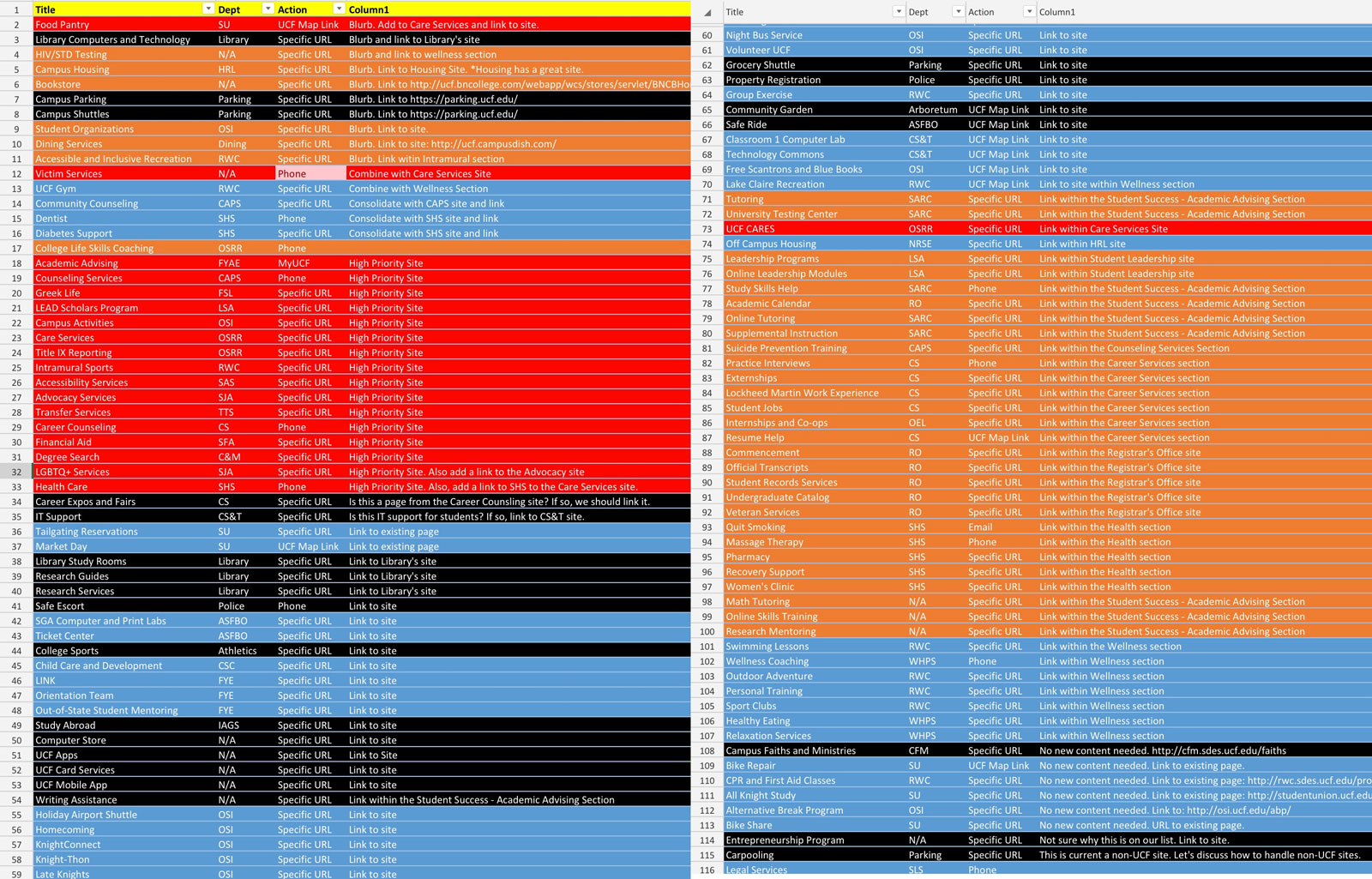
What project was left for me to manage?
Crashing and Burning
The project was frozen immediately the next morning. A few days later, Reeve unfroze it with a new directive: launch with only the 54 services Barret deemed worthy (and do the rest later) and collect less content overall. Two weeks later we held an all-hands meeting to discuss how we’d actually accomplish this. The vacant faces around the room made it clear that everyone was resigned to this being a failed project and was looking for the nearest exit. We fully handed content over to Barret. New deadlines:
- 8/19 – Writing template delivered
- 8/26 – All writing assigned and template delivered
- 9/16 – All content written and returned
- 9/30 – All content edited and finalized
By the end of the day, Barret had asked me to add Reeve to TeamWork in person, over email, and in a TeamWork comment. I had added Reeve to TeamWork months ago.
I had already created the writing template (remember, it was just waiting on Barret’s “edits” since the end of July), so I sent that off immediately. I also gathered the team for the first time in weeks to deliver the updates. They had clearly already checked out and had no motivation to work on the project but they nodded in agreement.
We plodded along through the development backlog at a slow, unmotivated pace: search improvements, image assets and bug fixes. I asked Barret if communication had gone out to writers and if he’d given any thought to categories, a deliverable that had been in his lap for months. He requested a “template” so I did an export of all services with a blank column next to each. He never answered.
Meanwhile, the well-meaning volunteers were confused and worried. A couple contacted me individually asking what was going on. I told them that while I couldn’t do anything, they should maybe tell their directors. On September 7th, I received an email from the director of the gym, asking what was going on. Here was my response:
From: Rad
Sent: Wednesday, September 07, 2016 5:30 PM
To: [Redacted], Cc: Barret
Subject: RE: Student services website
Evening [Redacted]
Thanks for the email. You aren’t the first to express concern to me.
Back in June, I worked with the Communicators to develop a list of services that we would include in this “Student Services” project. This encompassed all of UCF, not just our division. Both [your employees] were instrumental in that process and were both on the committee to draft the list. I also reached out to both of them for final confirmation on the specifics for each of the services we identified.
Since that time, the project has changed a bit, mostly due to resource availability and ongoing support concerns. Please speak with Barret directly for any questions related to content, services included, time frames for inclusion, and/or justifications for this project.
“Thank you for the information,” he replied. It was a satisfying email to write but I knew it wouldn’t change anything.
I didn’t think the situation could get much worse, but, just hours later:
From: Wedge
Sent: Tuesday, October 07, 2016 3:20 PM
To: [Our IT Department]
Subject: IT Development Team Update
I wanted to make you all aware of some changes that will be happening in regards to our IT Development Team. We have been in ongoing discussion with Senior Leadership about how best to handle the need for website design and development in the division and how that ties in with the work the Barret is doing with regard to Strategic Initiatives and Communications. This coupled with the UCF IT transition in which there is talk about splitting website design and development, and web application development, we have decided to make a change. Starting on October 7th , Barret will take responsibility for website design and development. This will include all department website design and development that will be part of our WordPress migration. As such, some of our current personnel will be moving to report to Barret. Cid, [Redacted] and [Redacted] will all move out of IT and become part of the new division Web Team underneath Barret and led by Cid
The rest of the Development Team will remain in IT and be responsible for all Web Application development. The two teams will maintain a close collaboration as there will be projects where they will be required to work together to accomplish the work to be done. Please join me in wishing [Cid and others] good luck in this new endeavor. They each will have a unique opportunity to help shape the future of web here.
I was asked to start providing weekly updates again on this zombie project. They felt pointless, but those reports were invaluable to reconstructing this part of the story. I also blogged that night.
Missing Deadlines and Motivation
On September 16th, our content deadline, Barret delivered three services (out of 54) worth of data at the last minute. Surprise! It had some issues. So:
Morning Barret,
Thanks for the email! The format of each of these three write-ups looks to be on point. I do have some questions about how to fit this content into our plans. Both “Healthy Eating” and “Relaxation Services”, while identified in the original 115 services list, were explicitly indicated to not be in the “first wave” of 54 services. Should I add these two to the “first wave”? Are there any other service write-ups in progress that we need to change to be included?
Also, “First Year Experience” is not on the list of 115, in the “first wave” or otherwise. It also doesn’t fit the guidelines or strategy we’ve discussed for a “service”, but rather is a write-up on an office. According to the list of 115, it appears that we identified three (3) services provided by “First Year Experience”: The LINK Program, Orientation Team (O-Team), and Out-of-State Student Mentoring (OSSM), none of which were indicated to be in the “first wave.” What service does this write-up map to? Are we changing the definition of a service to include offices?
Please let me know at your earliest convenience, thanks!
I followed up on my response twice. I included this in my weekly reports. I believe this is the last time I interacted with Barret on content. Wedge informed me that Cid, not yet reporting to Barret, was now point-of-contact for Phase 2. This was news to Cid.
Can you imagine what must have been going through Cid’s head? After this project, being told Barret was going to be your boss? Yeesh.
Meanwhile, Marketing continued to provide feedback on the progress of the project, theme and content as if nothing has transpired since June. They asked for better header photos, tweaks to the usage of the REST API, and even complained about the lack of regular meetings.
The end of the month came and went. Barret missed his content delivery deadline with no contact of any kind. I included this in my weekly reports, sounding the alarm to seemingly no one.
The spun-off design team, now labeled ‘SDES Communications’, relocated to another building the first week of October to be closer to Barret. The backlog was shrinking despite the missed deadlines and MIA sponsor. I asked for updates from stakeholders but got none, so I canceled our meeting for the week. Rufus reached out to me upon seeing the canceled meeting:
Hi. Do you still meet with Reno to go over project management strategy?
I took it a bit personally, but: don’t assume bad faith on the part of your hardest-working and most-demoralized colleagues.
I finally got a meeting scheduled and transferred ownership of the SharePoint site and all of the content and metadata to Cid. Goodbye little project, it was nice knowing you.
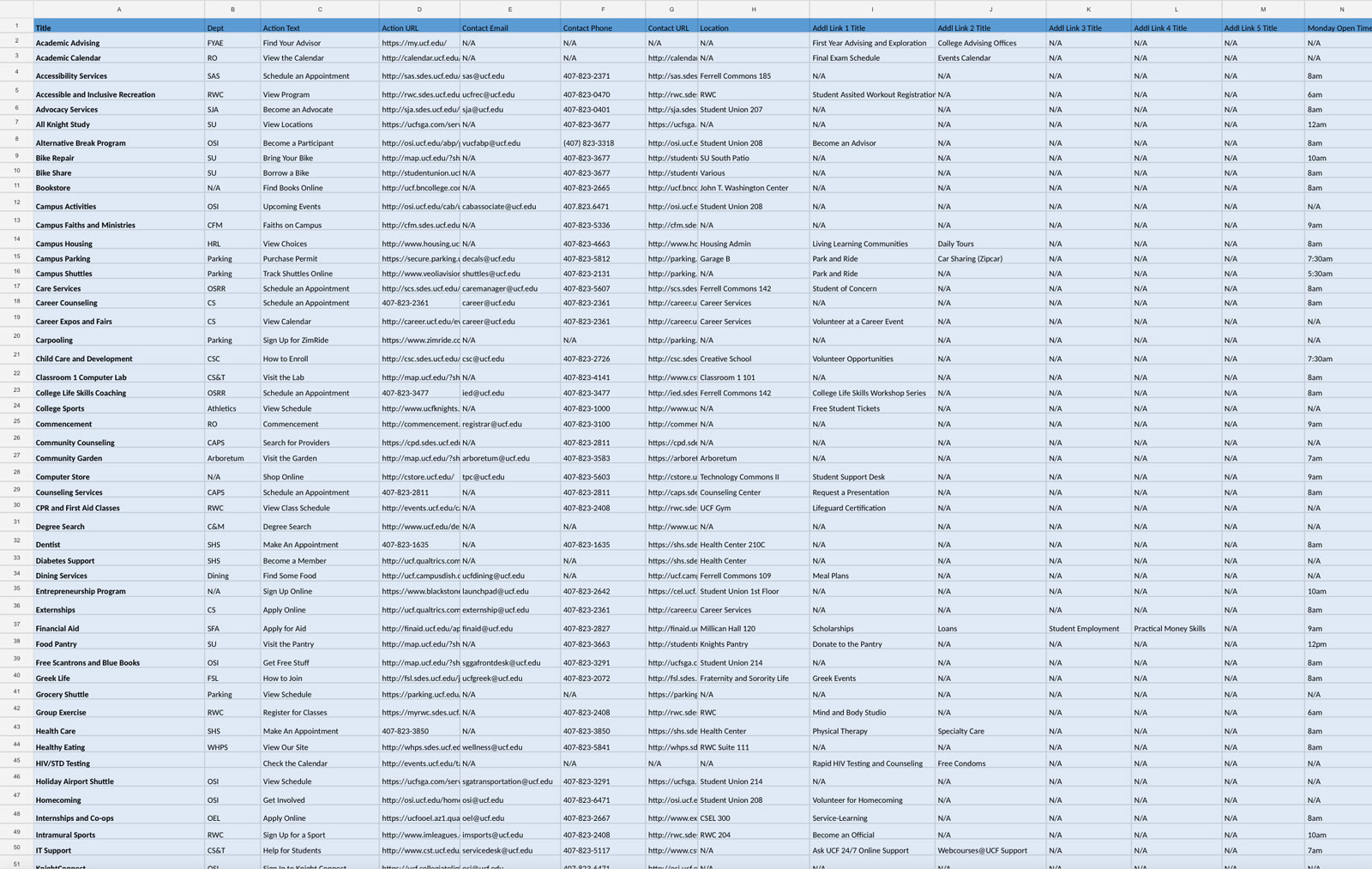
October 20th. Everyone was sick of the project, a political puck that no one could pass. We validated final deliverables at an update meeting and agreed everything was completed. As we were heading for the exit, Rufus dropped ”one more thing”: he was very disappointed with how the project had been run, was unhappy with the state of the code, and refused to allow the project to go live until it was fixed. Dumbfounded, I demonstrated the project did not have to meet Marketing’s acceptance criteria, but he wasn’t budging. He had his developers send the details shortly after the meeting.
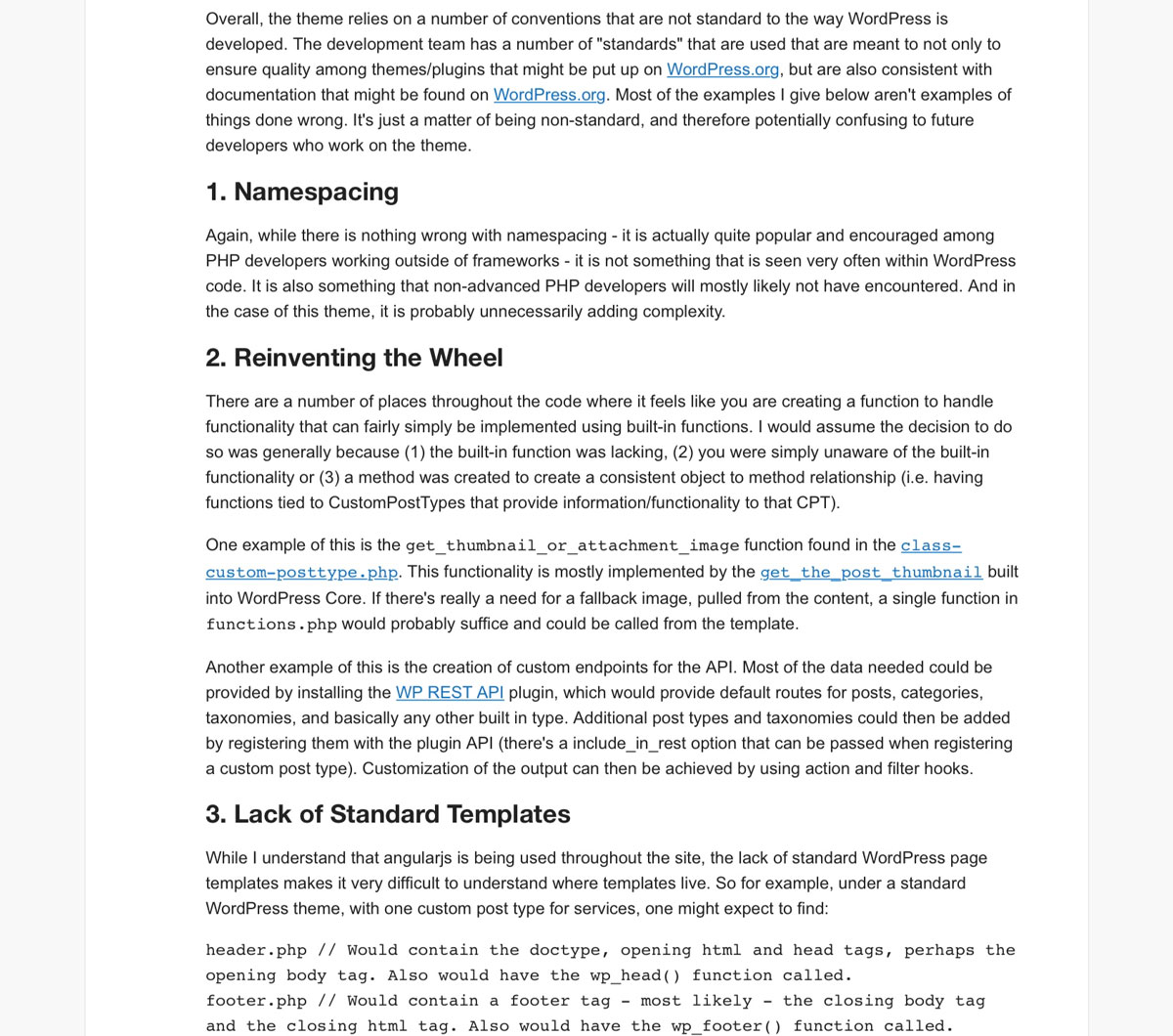
Vincent found some last well of motivation to burn through this ridiculous backlog of changes only to have more changes poured on the trash fire at the end of the month. It was absurd theater.
I had scheduled my PMP exam for early November and most of my attention was on study and preparation. By the end of October I was taking two to three 4-hour practice exams a week. I refused to have an appetite for this worthless project.
The whole world changed the first week of November. I passed my PMP exam shortly thereafter. Coming after the year’s worth of struggles, it’s probably the strangest, most uneasy mixture of emotions I’ve ever experienced.
In early November we demoed the project to the Communicators and I cared so little that I don’t even have meeting notes. After Thanksgiving, we deployed the theme to Dev and QA. I asked for all content to be finalized soon and a projected go-live of 12/9. Get this thing out of my life.
Nothing like a good deadline to bring things to a head. Cid and Vincent traded blows about the quality of the code and responsiveness to each other’s requests. We still had a backlog of bugs but were unsure if they were blockers (and of course we couldn’t get anyone to say). It was clear everyone wanted this out by Christmas but no one was paying attention.
The following is not a joke. On December 14th, out of the blue, we got a wide-release email announcing the promotion of Barret from communications director to Assistant VP.
Dear Team:
It is my pleasure to announce the promotion of [Barret] to assistant vice president for strategic initiatives and communications. Barret will continue to manage the division’s communications team and work closely with me and the VP’s Leadership Council on a wide-range of major projects.
In his expanded role, he will help build stronger and strategic capabilities throughout the division, facilitate cross-departmental collaboration and develop and coordinate high-priority initiatives. He will also manage our division’s special projects, customer service initiatives and develop new tools to engage students. To improve our outreach, we have transitioned the division’s web services from IT to the communications team. The new structure will help us to deliver timely and current information to our various stakeholders.
Please join me in congratulating Barret on this well-deserved promotion. As always, thank you for your dedication to our students.
[Redacted]
Vice President
December 19th. I dutifully requested Marketing to light the site up but they objected due to there being “no content in Production.” Of course there’s no content—do you know who’s in charge of content? A quick Wedge-and-Cid meeting later and they agreed to get 26 completed services into the site by the end of the week.
One day later, Rufus suddenly wanted “all stakeholders” to be brought up to speed on the “status of Phase 2” and asked Wedge to put together a team to start planning Phase 3. Oh, and the existing bugs were now of “significant concern” to Marketing and they hit the brakes. We went home for the year, our minds still shackled.
Full Service
Welcome back Knights! Barret emailed us three times the first week of 2017 in an apparent hurry to launch the site. Vincent used some of his recharged motivation to knock the bugs out and I reported the site ready to go on 1/6 @ 5pm. We never heard back.
My service desk ticket to activate the site unceremoniously closed on January 30th. However, I noticed that the site wasn’t actually publicly available on the internet. I shot a quick email to Wedge, itemizing some issues after a 15-min review of the site, including:
- Empty filterable categories with no services
- Stretched, oddly-sized and duplicated images
- Broken call-to-action links
- Empty calendars on services that didn’t use calendars
- Many services with a sentence or less of content
- Services with internal and/or dummy emails
After we had spent the last three months of 2016 fixing ancient browser bugs and refactoring large parts of theme code, the site had launched unavailable to the larger world with unreviewed and broken content. It was the perfect artifact of this insane, dysfunctional project.
Two weeks later:
From: Wedge
Sent: Tuesday, February 15, 2017
To: [All of IT]
Subject: Thank You for Your Support
With all of the transition happening I know things have been hectic for many of you, but I just wanted to take a moment to thank you all for your support. First, to say I’m proud to have worked with all of you as part of IT. I think we have always strived to provide excellent service to our division and even when we fell short, we found ways to ensure the divisions needs were met and our processes were adjusted for the future. None of that would have been possible without all of you.
Second, I want to say thank you for your support of the UCF IT effort. I know change isn’t easy and for some of you it’s still not clear what your future will hold with UCF IT. Even with all of that, you all have stepped up to help out during this time. We have several folks taking lead roles or participating in committees and working to help shape what UCF IT will become, this speaks volumes for our old IT (yes, as of Friday it’s officially the old IT). So, thank you for taking that initiative and I encourage each and every one of you to continue to participate where you can moving forward. We still have quite a bit of work in front of us, but I’m convinced we can and will succeed in building a great IT organization here at UCF.
And just like that, it was as if the past year and a half hadn’t happened. From one ambitious, enormous initiative to the next. But that’s another story.
The site has been live for over two years now, mostly unchanged. It has never been added to the UCF navigation or in any way acknowledged (that I know of) by Marketing. I went over the current state of the site at the conclusion of drafting this and found the following:
- The header is a giant, unavoidable 18 MB (!!!) video (Barret got his video feature!).
- The site is borderline unusable on mobile (the primary target) with too many categories to even see the search component operate.
- The “campaigns” on the home page (“Think 30” and “UCF Campus Tour”) have never changed. Also, campus tours are irrelevant to current students.
- The “promotions” beneath the search have never been updated. I know because I made the “IM Sports” one prior to launch and they have definitely not been accepting new players perpetually for the last two years.
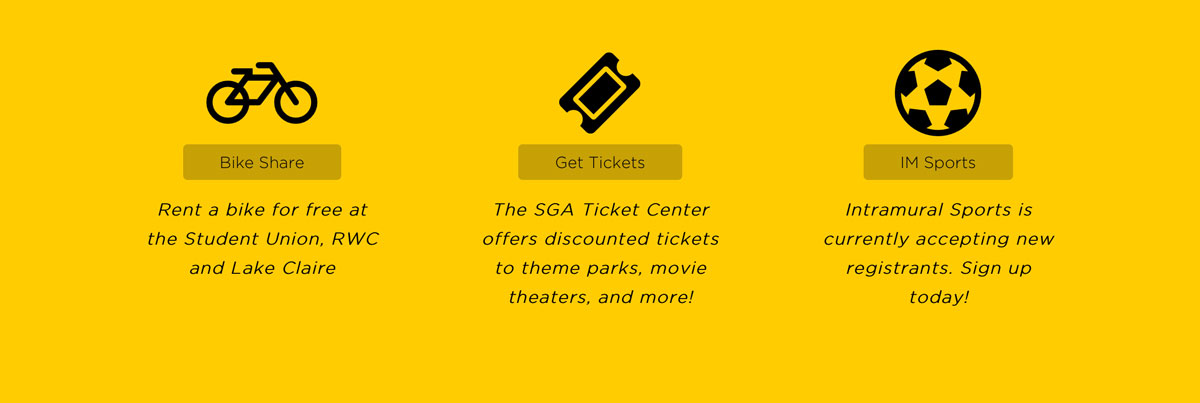
- Almost every image header is abnormally stretched and deformed.
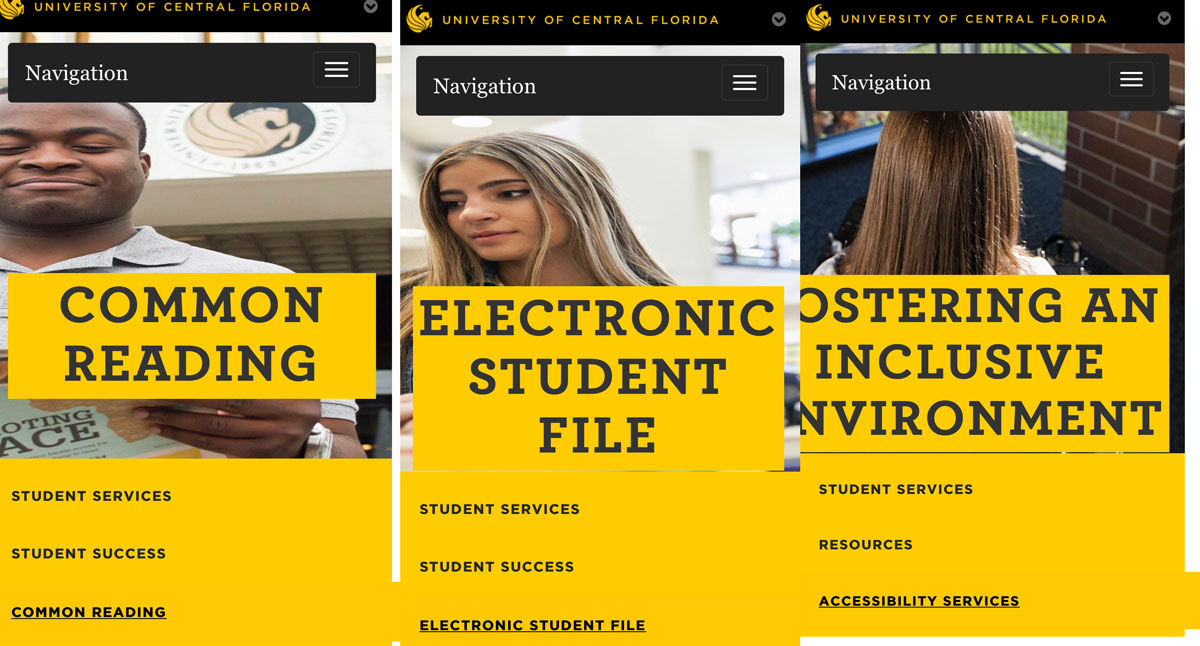
- 14 of the services listed are just offices and office website links.
- The services, despite housing really stale and largely-useless data, dominate the search results for UCF phrases.
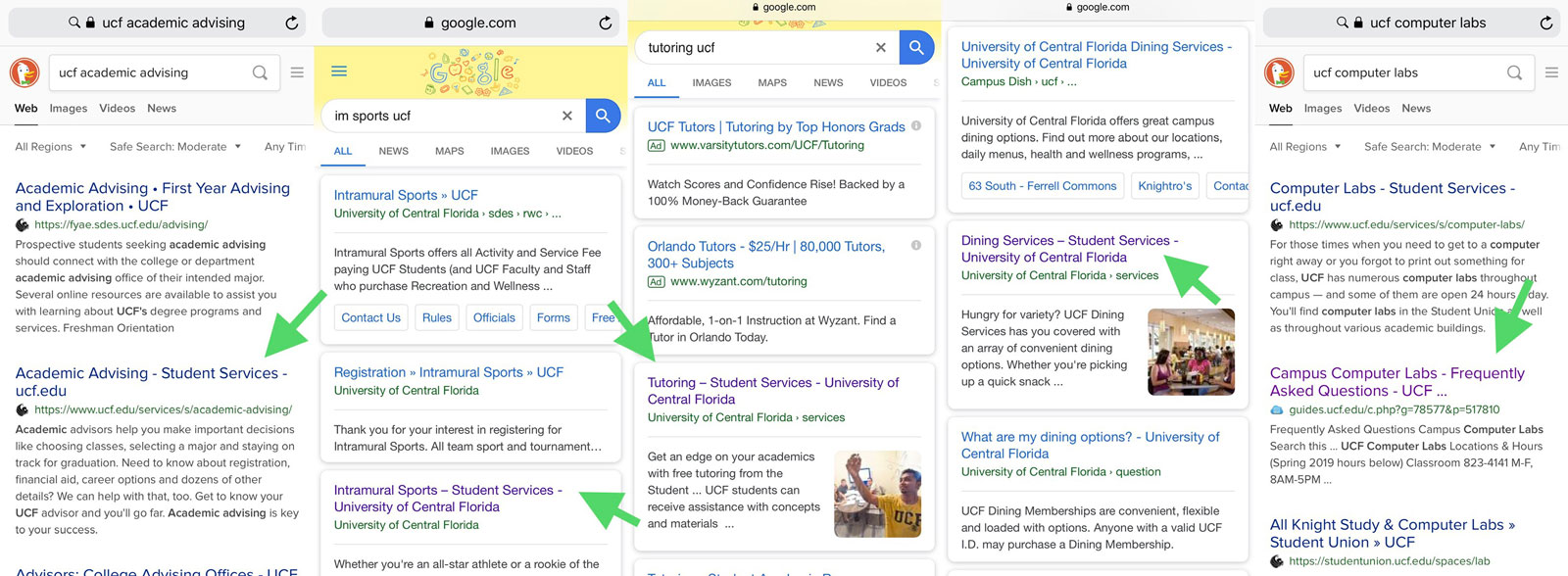
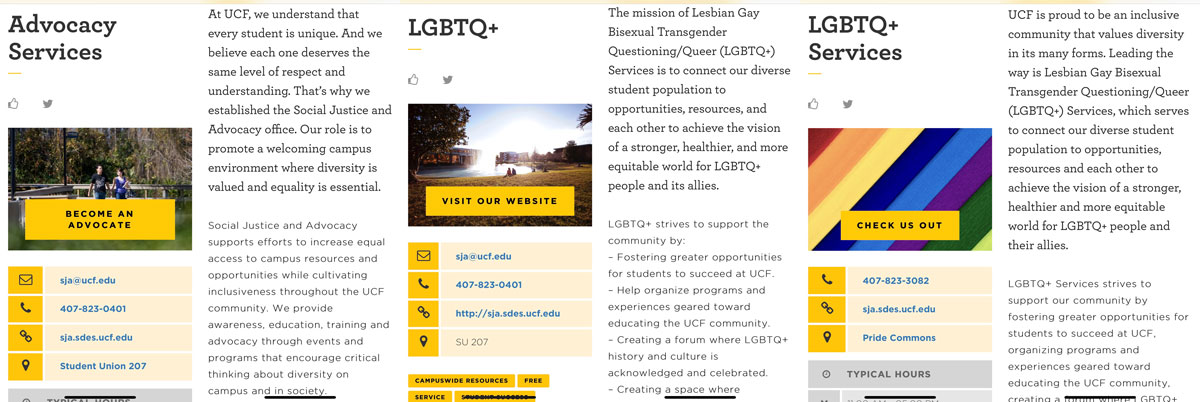
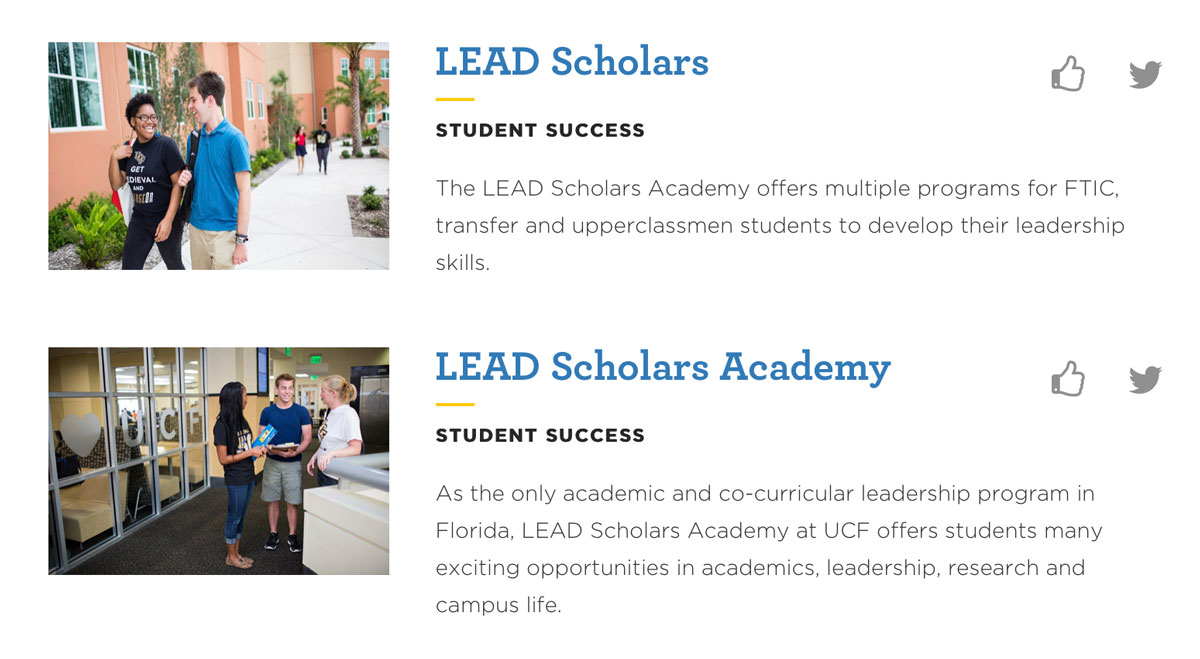
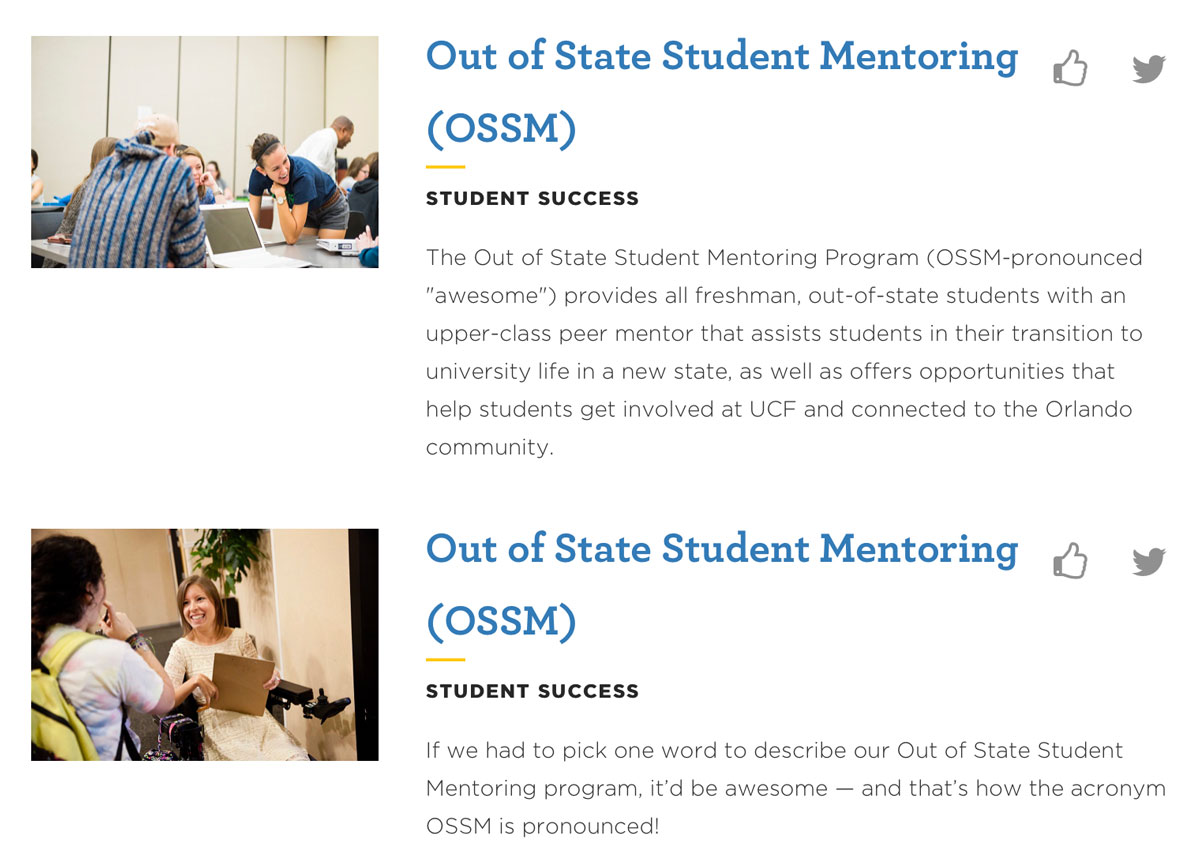
Duplicates: Many services have more than one individual profile in the catalog:
Unavailable for Current Students: The primary and only audience for this project was “current students at UCF”. Despite that, these services are listed:
College Prep Day; DirectConnect to UCF; Faculty Center for Teaching and Leaning; Parent Program; State College Day; Top 10 Knights; Transfer Student Pre-Admission Advising
Broken or Dead: These services have incorrect content, broken call-to-action links or are straight up unusable.
Accessibility Services; Campus Faiths and Ministries; College Advising Offices; CECS Tutoring Center; Common Reading; Care Services; Girls EXCELing in Math and Science (GEMS); Information Fluency; Job Shadowing; Math Lab; Peer Mentoring; Personal Training; Recovery Support; Sport Clubs; Suicide Prevention Training; Supplemental Instruction; Swimming Lessons; UCF Pharmacy; University Testing Center; Undergraduate Research; Webcourses @ UCF Support; Women’s Care
Last But Not Least: Some of these I just wanted to include because they made me laugh and/or cry.
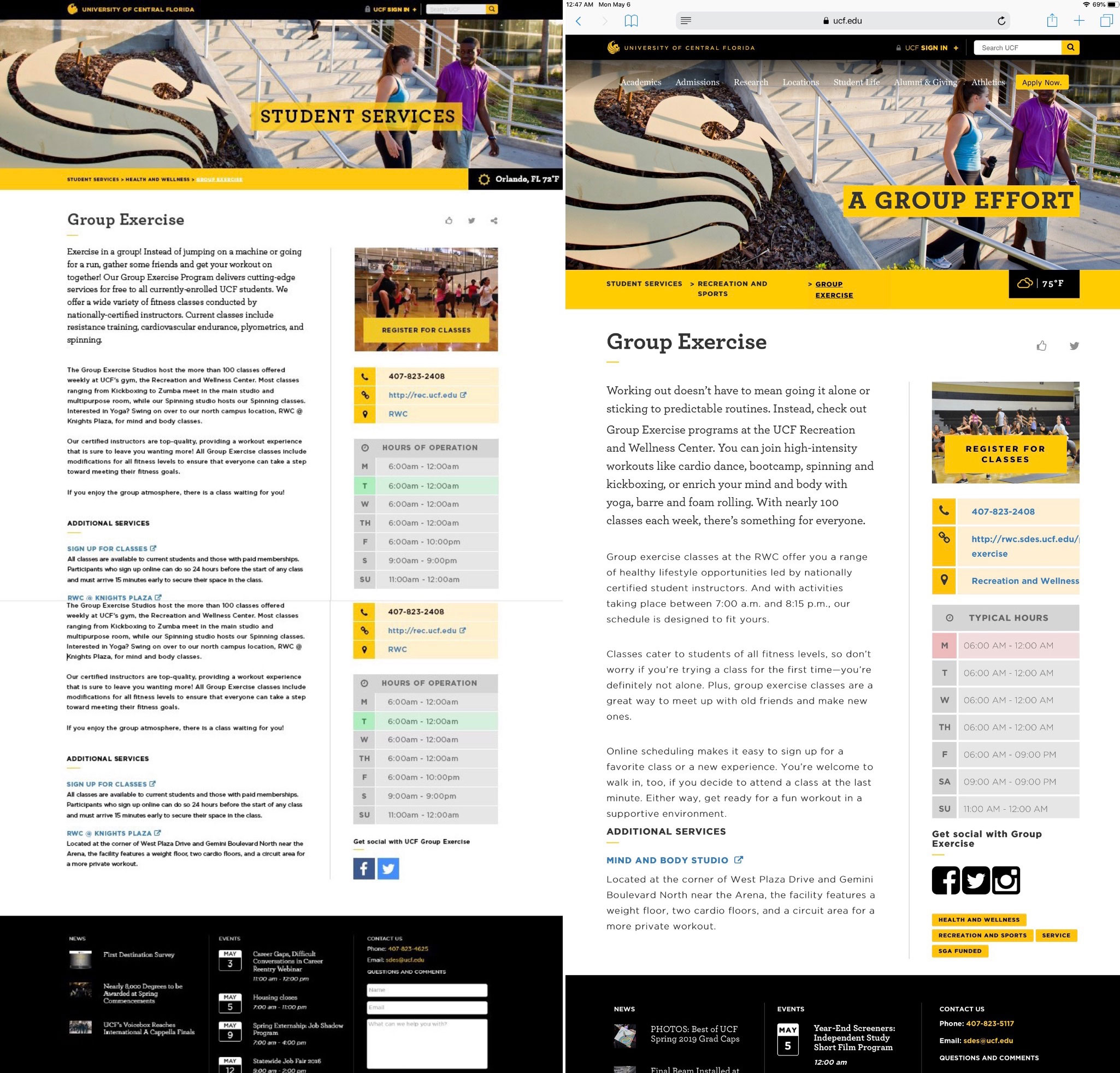
- Group Exercise: After the lengthy phone call on August 3rd, Group Exercise is still a service and is still presented exactly as it was in the original May mockup.
- Counseling Services: Still directs students to a phone number for the call-to-action link, despite our argument.
- Electronic Student File: “UCF maintains electronic records of students. The release of electronic records is governed by regulations set up by FERPA.” That’s the entire profile.
- Knight Graduation and Grant Initiative: I read through this content and it’s linked call-to-action and I still don’t understand what it’s even trying to communicate.
I’ve tried to mine this experience for all its worth in the past two-and-change years. It broke me in a lot of ways: I’m much more suspicious of authority (I mostly only trust expert knowledge and motivated people now); I have a much smaller appetite for projects with any level of complexity (i.e., where relying on individuals to come through is necessary); and I’ve really internalized how little personal excellence, motivation, and demonstrable success means to some situations.
But in writing this story, I can see how much good could have come from it, how valuable my input and organizational efforts were, and how many more individuals came away impressed with me than not. I obtained my PMP on my first go, even in the midst of emotional turmoil and with every reason not to care. It solidified in me a stature for leadership, one that has helped me change my self-image, deliver awesome software, lose almost 100 pounds, successfully manage a large portfolio of applications, start a blog, and lead participation in Hack Days.
Some big takeaways for me, in terms of applicable advice:
- A project cannot succeed with an unreliable sponsor. No matter how much effort the underlying team contributes, an unreliable sponsor will sour attitudes, ruin motivation, and will set the project up for failure even if it is completed.
- Don’t shoulder the work, no matter how tempting and no matter how small. As soon as you leave the picture, it will crumble without anyone to carry on the weight you supported.
- Sometimes escalation doesn’t work. We live day to day assuming that if we just show the right people how crazy things are getting they’ll be able to do something. This project showed me that that’s not always the case—sometimes bad things will be allowed to continue.
- You’ve got to expect the bare minimum from volunteers on projects by necessity, but be happy if they come through. It’s all upside if they perform, but they cannot be on the critical path.
- Sometimes the best outcomes are the ones extreme adversity forces you to recognize and strive for. 2016 was a really tough year, but 2017 was fundamentally my best because of it. Embrace that adversity for what it can give you the excuse to rethink.
Winners
- Barret – A manipulative and inept sponsor, he delivered no guidance or value whatsoever but was promoted (twice!).
- My Superiors – They supported me the best they could and dodged most toxic interactions with Barret.
- Cid – He lasted another three months under Barret before putting in his two-weeks notice on the spot after a bad team meeting. But he got out, so he wins.
- Weekly Reports – Thank you for making me do these Jessie, they were absolute lifesavers.
- Me – This project motivated me to study for and obtain my PMP and gave me a lot of practical experience in the midst of learning about project management. As my grandpa says, “now you’ll know what a good one looks like.”
Losers
- Vincent – He was instrumental in getting both Phase 2 and WordPress off the ground but is still the lowest paid developer on his team after a decade at UCF.
- Marketing – They sank their time and attention into this program of initiatives for over a year and all they have is one good single-page WordPress site (and a long list of grievances) to show for it.
- Students – They could have had something useful and modern. Instead they got polluted search results.
- Me – This project kept me at UCF for years longer than I should have been. Its conclusion left me longing for another chance to succeed, again prolonging my career at UCF to the present day.
Do I still think it was a great idea? Yes, of course. Do I think it’s still worth doing? Not really; this attempted to bring too many parties together with no real funding or sustainable support. It would have to be a crucial piece of the university’s strategy (and promoted as such) to be successful. Maybe, someday.
Could I have done things better or differently? Of course. I should have brought more attention to the lack of comprehension from Barret immediately; I shouldn’t have offered to draft any content, record any videos or plan any strategy; and I shouldn’t have been so personally invested in the project as the PM. But really, what’s life about other than giving it a go? 🐾


